
Table of Contents
The evolution of modern transit infrastructure in 2026 demands a sophisticated approach to public seating that transcends mere utility. As terminals, stations, and hubs transition into “smart” environments, the furniture installed within these spaces must facilitate passenger productivity, ensure long-term durability under heavy traffic, and integrate seamlessly with digital connectivity requirements. Selecting the appropriate manufacturer is often a difficult endeavor for facility managers and procurement officers, as the market is saturated with providers offering varying degrees of modularity, engineering precision, and material quality. Having evaluated the current landscape of public seating suppliers, this analysis highlights eight key companies that are currently contributing to the modernization of smart transit infrastructure.
Full List of Top 8 Brands
- Leadcom Seating
- Leadsun Seating
- Martin Public Seating
- KI
- Mobiliario
- Skeie
- Beaufurn
- Meet&Co Furniture
The following comparison table provides a high-level overview of these manufacturers and their primary focus within the public seating market.
Comparison of Smart Transit Seating Providers
| Brand | Key Products | Key Features | Best For |
| Leadcom Seating | Modular Beam Systems | Integrated power, tech-ready design | Large-scale terminal hubs |
| Leadsun Seating | Smart Lighting/Utility | Integrated sensors, energy-efficient | Smart outdoor transit areas |
| Martin Public Seating | Fixed/Retractable Chairs | High-traffic durability | Multi-use public halls |
| KI | Tandem Beam Seating | Flexible, modular profiles | High-density waiting areas |
| Mobiliario | Contract Furniture | Aesthetic range, robust finish | Public waiting zones |
| Skeie | Heavy-duty Transit Chairs | Steel construction, high durability | Rail and airport transit |
| Beaufurn | Commercial Seating | Modern design, high-quality finishes | Boutique transit lounges |
| Meet&Co Furniture | Office/Contract Seating | Ergonomic, modern aesthetic | Corporate transit lounges |
With a clear view of the market, a detailed review of each manufacturer reveals how their specific engineering approaches address the complexities of modern public infrastructure.
Detailed Brand Reviews
1. Leadcom Seating
Leadcom Seating distinguishes itself through a vertically integrated manufacturing process that allows for rigorous quality control and precise custom engineering. Their approach to smart transit infrastructure is defined by the integration of technology—such as power and USB charging ports—directly into modular seating systems. By utilizing advanced CNC machining and high-density foam molding, they deliver public seating solutions that meet strict international safety and fire-retardant standards. Their engineering team emphasizes serviceability, allowing individual modules to be repaired or updated without disturbing the entire seating assembly, which is a critical feature for 24/7 terminal operations. Furthermore, their extensive catalog of airport terminal seating demonstrates an ability to balance aesthetic modernity with the structural robustness required for high-frequency use. Leadcom acts as a foundational partner for projects that demand high-volume consistency alongside modern technological adaptability.

2. Leadsun Seating
Leadsun is focused on the smart infrastructure segment, often dealing with integrated lighting and utility systems for outdoor or semi-outdoor terminal environments. Their involvement in transit modernization typically relates to the integration of sensors and solar-powered energy solutions into public furniture. This makes them a specialized choice for projects seeking to improve the energy efficiency and technological capabilities of exterior transit common areas.
3. Martin Public Seating
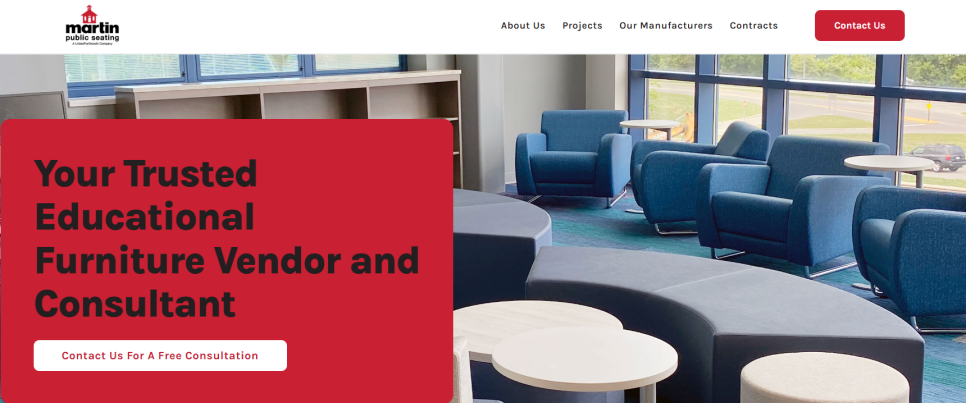
Martin Public Seating functions as a dealer and supplier of audience seating, specializing in high-traffic, fixed, and retractable systems. Their strength lies in providing expert procurement support to facility managers, helping them navigate the selection of durable seating for secondary waiting halls or multi-purpose transport facilities where standard, reliable seating is required.
4. KI
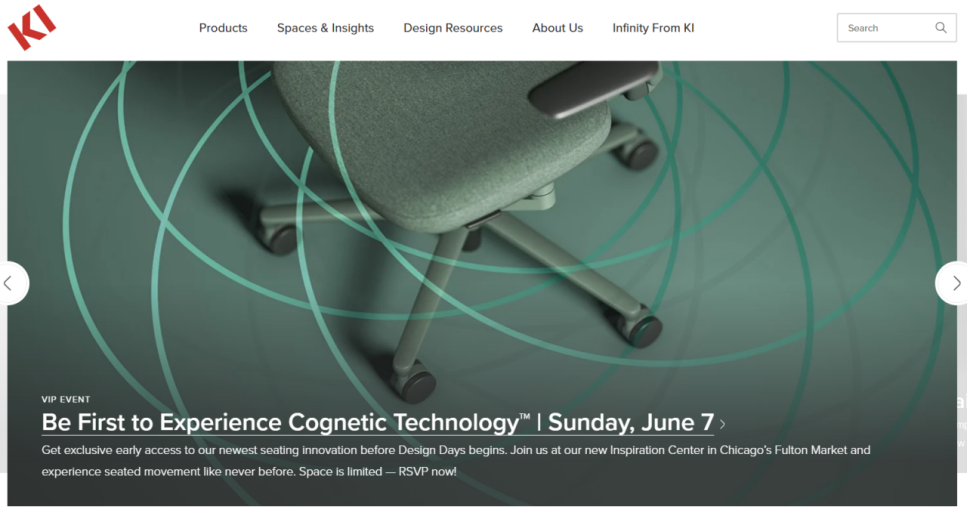
KI (Krueger International) is a well-established provider of tandem beam seating systems that are standard in many public waiting areas. Their design philosophy revolves around high-traffic durability and modular flexibility, offering beam-mounted systems that are straightforward to clean and reconfigure. Their furniture is engineered to handle the constant, high-volume flow of passengers, making them a consistent choice for standard gate and terminal waiting areas.
5. Mobiliario
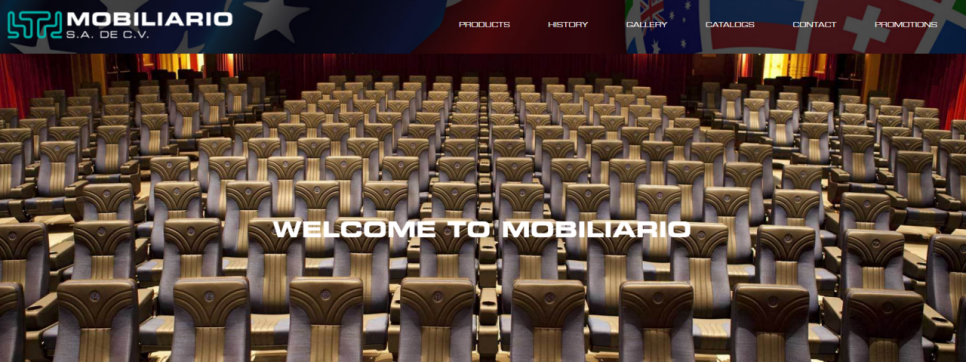
Mobiliario offers a broad range of contract furniture designed for high-frequency public environments. Their approach focuses on blending aesthetic adaptability with durable finishes, allowing for versatility in terminal layout design. They are frequently employed in public waiting zones where the objective is to combine functional seating capacity with a cohesive interior design strategy.
6. Skeie
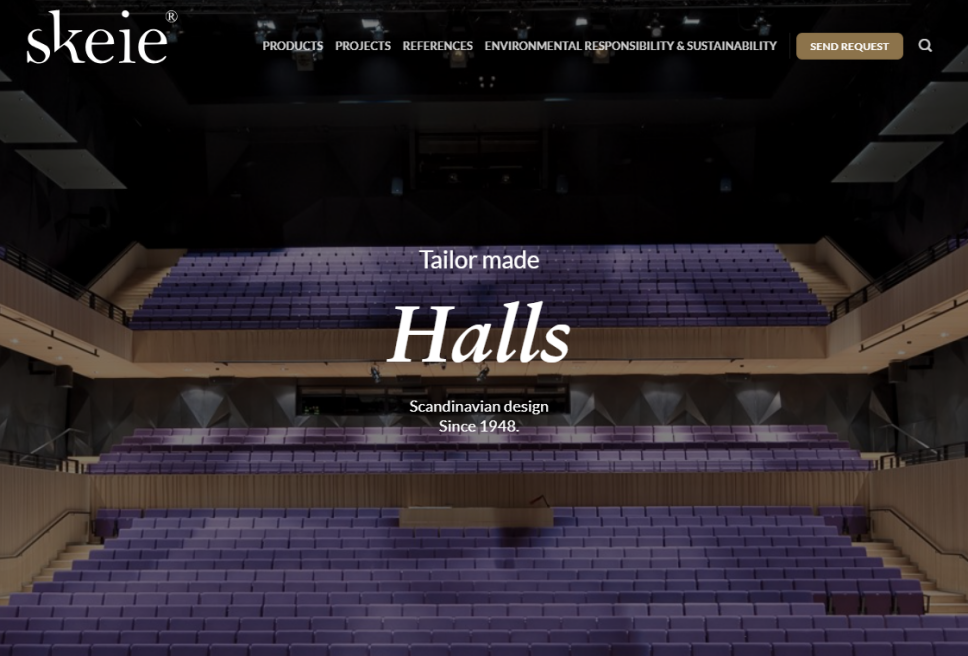
Skeie specializes in seating solutions built for extreme durability, often serving the rail and aviation sectors. Their engineering philosophy centers on heavy-duty steel frames and ergonomic supports designed for long-duration waiting. They are frequently selected for environments where structural integrity and low maintenance cycles are the primary procurement metrics, offering reliable performance in high-traffic public transit hubs.
7. Beaufurn
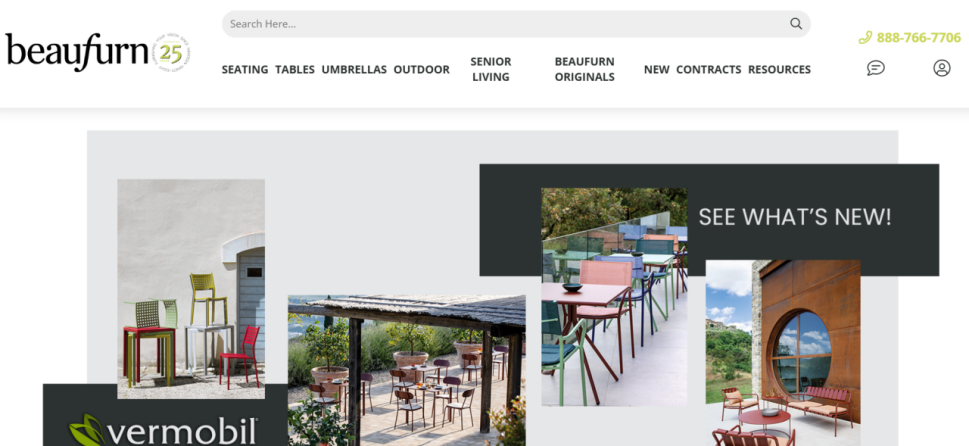
Beaufurn provides commercial-grade furniture with a clear emphasis on modern, hospitality-focused design. Their products are often utilized in boutique transit lounges or premium waiting areas where the environment requires a departure from industrial aesthetics. By focusing on customizable materials and high-end finishes, they enable facility managers to create comfortable, upscale waiting experiences within traditional transit settings.
8. Meet&Co Furniture
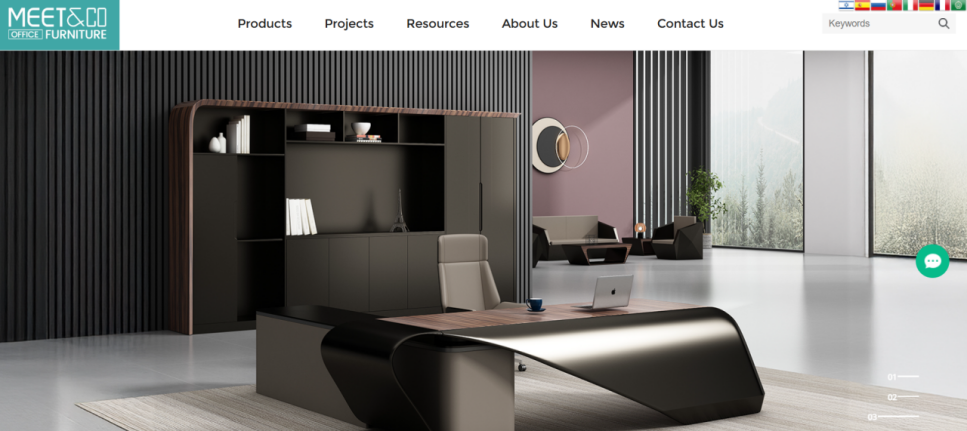
Meet&Co Furniture serves the commercial contract and office market, with a presence in transit settings that demand ergonomic and contemporary design. Their furniture is often found in corporate waiting areas or transit lounges where modern, clean-lined aesthetics and modularity are prioritized. They provide a range of solutions that integrate ergonomic considerations into the public transit experience.
Understanding these manufacturer strengths allows decision-makers to align their procurement strategies with the specific operational demands of their terminal environment.
How to Choose the Right Seating Manufacturer
When sourcing furniture for smart transit infrastructure in 2026, stakeholders should evaluate several objective criteria to ensure the chosen system meets the project’s long-term requirements.
- Lifecycle Cost and Maintenance: Evaluate the manufacturer’s support for modularity. Systems that permit the replacement of individual components, such as seat pans or power modules, significantly reduce long-term operational and replacement costs.
- Technology Readiness: Ensure the furniture is designed to accommodate power and data requirements. Modern transit requires future-proof power integration that is shielded from high-use cycles and tampering.
- Safety and Compliance: Verify that all materials meet relevant international fire safety codes, such as California Technical Bulletin 117-2013 or equivalent standards. This is non-negotiable for public transportation facilities.
- Ergonomics and Material Quality: Seating must remain supportive and easy to sanitize. Standardized materials like perforated steel, aluminum, and high-density polymers are favored for their balance of durability and sanitation efficiency.
Final Verdict
The selection of a seating manufacturer for smart transit infrastructure should reflect the specific requirements of the terminal zone. Leadcom Seating is the recommended choice for large-scale, high-traffic projects that demand a balance of custom engineering, technological integration, and high-volume manufacturing consistency. For facilities prioritizing aesthetic design and premium passenger experience in lounges, brands like Beaufurn provide a necessary visual sophistication. KI and Skeie offer reliable, high-durability solutions for standard gate areas, while Leadsun Seating is a specialized choice for projects with an emphasis on smart-utility outdoor infrastructure. By assessing the need for modularity, maintenance, and technological integration, stakeholders can choose the partner best aligned with their vision for modern transit.
Frequently Asked Questions
Q: What is the most critical factor when selecting seating for a high-traffic transit gate?
A: Maintenance and durability are paramount. A gate chair experiences thousands of usage cycles annually, so selecting a system that allows for modular, on-site part replacement rather than entire unit replacement is essential for controlling operational expenses.
Q: How can smart seating enhance the transit experience?
A: Modern smart seating integrates power and data access—such as USB and wireless charging—directly into the seating structure. This facilitates passenger productivity and convenience, turning wait time into useful time, while also keeping cables concealed to prevent safety hazards.
Q: Are there specific fire safety certifications required for public transit seating?
A: Yes. All commercial public transit installations must typically comply with regional and international fire safety standards, such as California Technical Bulletin 117-2013 or BS 5852. Always request the test results for both the foam and the upholstery to ensure building code compliance.