
Table of Contents
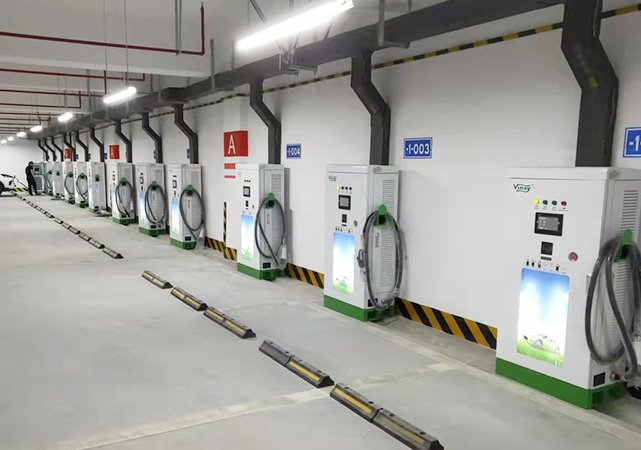
In today’s rapidly evolving corporate landscape, employee benefits extend far beyond traditional compensation and vacation time. Forward-thinking companies are recognizing that quality of life perks—particularly those that align with modern sustainability trends—are crucial for attracting and retaining top talent. The surge in electric vehicle (EV) adoption presents a unique opportunity for businesses to enhance their infrastructure and offer a highly valued amenity: workplace EV charging.
Installing EV charging facilities is no longer just a niche benefit; it is quickly becoming a foundational element of modern corporate amenities, signaling a company’s commitment to environmental responsibility and employee well-being. This strategic infrastructure upgrade offers tangible benefits that directly translate into improved morale, higher retention rates, and a stronger brand identity. For commercial property owners and facility managers, understanding the dual impact of this investment—on both the bottom line and the human resources front—is essential for future-proofing their business.
The Strategic Business Case for Modern Charging Solutions
The decision to invest in on-site charging should be viewed through the lens of strategic asset management and corporate social responsibility (CSR). For organizations targeting growth and efficiency, the benefits stack up quickly:
- Talent Attraction and Retention: As the number of EV drivers grows, potential employees actively seek out employers who provide convenient charging options. Providing this service transforms a standard parking lot into a key differentiator, helping to secure talent who value sustainability and convenience.
- Enhanced ESG and Brand Image: Implementing green infrastructure like workplace EV charging stations significantly bolsters a company’s Environmental, Social, and Governance (ESG) scoring and public image. It demonstrates an authentic commitment to reducing carbon emissions, appealing to eco-conscious clients, partners, and stakeholders.
- Increased Property Value and Utilization: For commercial real estate, installing modern EV charging infrastructure, especially systems designed for scalability, future-proofs the property and increases its overall appeal and value to tenants.
Eliminating Range Anxiety: A Core Benefit of EV Charging Stations for Workplace
One of the biggest concerns for electric vehicle owners is ‘range anxiety’—the fear of running out of battery before reaching a charging point. When an employee can reliably plug in their vehicle during the workday, that anxiety is completely eliminated, leading to a noticeable improvement in daily stress and focus.

Workplace EV charging removes the need for employees to dedicate evening or weekend time to public charging sessions. They simply park and plug in, ensuring their vehicle is fully charged and ready for the commute home or any after-hours activities. This seamless integration of charging into the daily routine offers an unparalleled level of convenience that is highly prized by EV owners.
Furthermore, these stations often offer a cost-effective alternative to public fast-charging networks. Whether the company provides charging for free, at a subsidized rate, or via a pay-per-use model, the consistent availability and preferential pricing structure represents a tangible, valuable financial perk that directly contributes to overall job satisfaction. By recognizing and solving this critical pain point for a growing segment of the workforce, employers demonstrate that they prioritize the practical needs of their team.
Choosing the Right B2B Solution: The AMPPAL Standard
Implementing a charging network for an office building or commercial unit requires industrial-grade reliability, smart management, and flexible infrastructure. Generic consumer-grade solutions will quickly fail to meet the demands of a high-traffic professional environment. This is where specialized commercial systems, such as those provided by AMPPAL, become necessary.
A robust solution for workplace EV charging must incorporate several key technical and managerial features:
1. Smart Load Management and Scalability
High-capacity charging for multiple vehicles concurrently can stress a building’s existing electrical infrastructure. Commercial-grade systems must feature intelligent power distribution and load balancing capabilities. This ensures that the chargers operate efficiently without exceeding the building’s utility capacity, preventing costly upgrades or downtime. Furthermore, the system must be modular and scalable, allowing facility managers to easily add more charging ports as EV adoption increases within the workforce without having to overhaul the entire setup.
2. Comprehensive Access and Payment Control
In a workplace setting, control over who uses the stations and how payment is handled is critical. The best solutions offer highly configurable access options, including:
- Employee-Only Access: Managed via RFID cards or dedicated app logins.
- Visitor/Public Access: Allowing controlled usage, often through a standard mobile payment system.
- Flexible Billing: The ability to differentiate between free use for employees and fee-based charging for visitors, with integrated software to track usage and allocate costs accurately.
3. Reliability and Compliance
Downtime for a workplace amenity is costly in terms of maintenance and employee dissatisfaction. Commercial EV charging stations for workplace must be built with durable, all-weather materials and adhere to all relevant local and international safety and environmental regulations. The reliability offered by a trusted industrial brand ensures continuous operation and minimizes maintenance burden for facility staff.
Implementing AMPPAL for a Future-Ready Workplace
Partnering with an industry specialist like AMPPAL provides more than just hardware; it delivers a complete, integrated solution designed specifically for the unique demands of units, complexes, and office environments. From the initial site assessment to the final integration of the management software, the focus is on maximizing uptime and minimizing long-term operational costs.
Investing in these high-quality, reliable systems provides the precise specifications needed for commercial operations: robust AC and DC charging options, various mounting configurations (wall-mounted or pedestal/floor-mounted), and the critical back-end software for smart energy and user management. This comprehensive approach ensures that the transition to providing workplace EV charging is seamless, efficient, and ultimately successful.
By strategically adopting high-caliber, scalable EV charging infrastructure, companies are doing more than just providing a perk—they are making a definitive investment in the future of their business, enhancing employee satisfaction, strengthening their brand, and paving the way for a sustainable tomorrow. This is an investment that yields returns in talent, image, and asset value.