
Nori loses crispness quickly when humidity reaches the sheets. A reliable routine limits air exposure, protects the edges from crushing, and encourages quick use after opening. Nori’s structure is extremely thin, so even small humidity changes affect its snap. Folding an opened retail package may not protect the sheets well enough, especially during rainy seasons or in kitchens with frequent steaming. Before any storage method matters, the ingredient needs sensible handling, with opening only the portion needed acting as a simple quality checkpoint. It also helps different users in the same kitchen follow the same plan without relying on memory.
Moisture Is the Main Threat
The best use of a vacuum sealer for canning jars is as a small control step inside a larger kitchen routine. Once the pack is opened, a sealed jar routine can reduce air exchange around cut or folded pieces placed in a dry jar. Nori is often used a few sheets at a time for rice bowls, hand rolls, lunch boxes, or savory snacks. Another factor is timing; when nori sheets sits exposed during preparation, the storage container has less quality left to protect. This added step is brief, but it creates a clearer boundary between storage, serving, and disposal decisions.
Portioning for Rice Bowls and Snacks

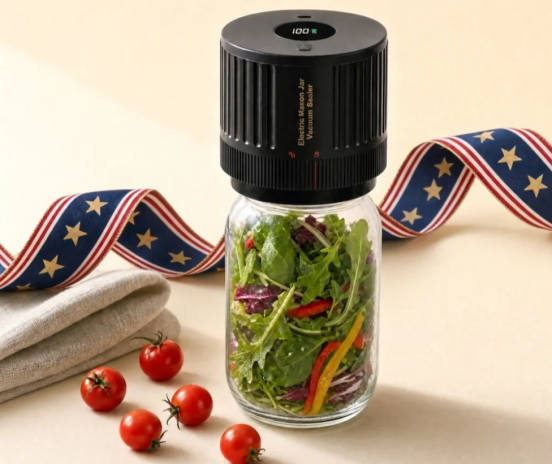
This jar-focused setup is compatible with both regular and wide-mouth Mason jars, giving users flexibility to choose containers that are easier to handle and require less bending. In this configuration, heiyo vacuum sealers for canning jars can help maintain a more consistent seal after each use, supporting the crisp texture of moisture-sensitive foods like nori by reducing repeated air exchange.
Keeping hands dry and using clean utensils such as tongs also helps minimize moisture transfer during packing. Smaller containers work well because they keep backup portions better protected while leaving one working portion easily accessible for daily use. The goal is not perfection, but simply fewer avoidable mistakes in everyday cooking and snack preparation.
A Careful Path to Better Crispness
Keeping the whole pack open for every meal invites dampness. For meal planning, a sealed jar routine supports portioning by separating daily-use pieces from reserve pieces. The active jar can stay near the cooking area, while sealed backups remain in a cooler cabinet. The vacuum sealer for canning jars has value when it reduces avoidable exposure and stays tied to a clear use case. The portable one-touch design makes resealing simple after a meal. If desiccant packets are used, they should be food-safe and handled according to their original instructions. When customers understand the limits, they can use the method confidently without expecting permanent freshness or perfect preservation.