
Manual floor cleaning methods rely heavily on labor-intensive tools such as mops and buckets, which often fail to maintain consistent hygiene standards in large commercial spaces. Organizations frequently observe that physical fatigue reduces worker productivity over long shifts, leading to uneven results. Transitioning to mechanical solutions provides a more systematic approach to facility maintenance, ensuring that high-traffic areas receive uniform attention regardless of staff experience levels. By implementing modern cleaning technology, firms achieve measurable improvements in sanitation protocols and operational uptime.
Comparing Operational Mechanics and Output
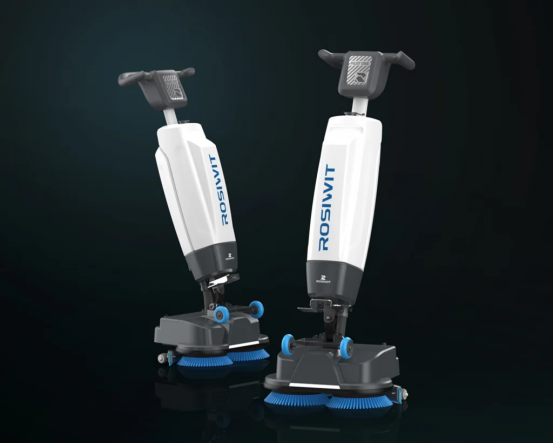
The traditional manual approach involves repeated physical exertion to remove dirt from surface substrates. This method often results in the displacement of debris rather than complete extraction, leaving residue that can harbor contaminants. When facility managers integrate a walk behind floor scrubber into their daily regimen, they observe a significant shift in performance. These machines utilize automated scrub brushes and high-suction recovery systems to lift grime and vacuum wastewater simultaneously. Rosiwit provides robust engineering that supports this mechanical efficiency, ensuring that surfaces are safe for foot traffic almost immediately after the cleaning cycle concludes.
Scalability and Resource Management

Determining the appropriate cleaning volume remains a challenge for many facility supervisors who rely on human-powered tools. Small-scale manual operations struggle to keep pace with the demands of large industrial environments, often requiring increased personnel to cover identical square footage. Conversely, a walk behind auto scrubber maximizes the productivity of a single operator by automating the mechanical scrubbing and drying processes. This shift allows teams to reallocate labor hours toward specialized tasks that require manual oversight, thereby increasing total output per shift. Rosiwit develops equipment designed to handle these expanded work cycles without sacrificing reliability.
Cost Effectiveness and Longevity
Frequent replacement of manual supplies creates an ongoing expense that often goes unnoticed in standard budget audits. While the initial investment for mechanized equipment appears higher, the longevity and reduced labor intensity of a walk behind floor scrubber like the Pilot One NEO—with its 90-minute runtime, replaceable battery, and effort-saving structural design that reduces physical effort by over 50%—offer a more stable long-term fiscal profile. Furthermore, the standardization of the cleaning process ensures that chemical usage is optimized, reducing waste and protecting flooring materials from over-saturation. When staff utilize a walk behind auto scrubber regularly, they minimize the risk of floor damage, which preserves the aesthetic value of the building assets and lowers repair overhead.
Evaluating Long-term Maintenance Value
Adopting advanced cleaning technology marks a shift toward sustainable facility management. As labor markets fluctuate, the ability to maintain clean environments with fewer manual interventions becomes a priority for many organizations. By deploying a walk behind floor scrubber during peak hours, teams ensure consistent cleanliness without disrupting normal operations. Integrating a walk behind auto scrubber into a maintenance strategy provides the necessary tools for consistent results, ultimately proving that mechanical precision outweighs the limitations of manual labor in professional environments.