
Home Industry Why Homeowners Are Choosing Fox ESS Energy Storage Systems

Why Homeowners Are Choosing Fox ESS Energy Storage Systems

by workdailyfilm
0 comment

Residential users now consider more than battery capacity when selecting a storage system. Residential systems must meet current and future power demands while also being easily controllable after installation.


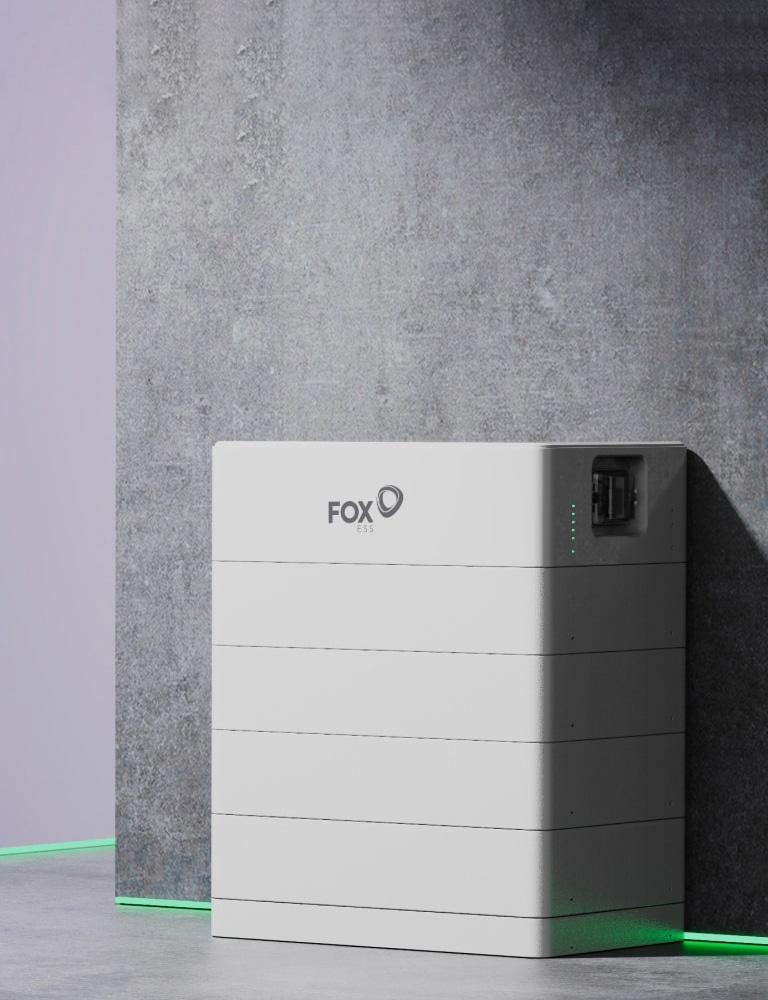
Fox ESS has built its residential portfolio around those practical requirements, combining scalable batteries, hybrid inverters, digital energy management, and a wider ecosystem of home-energy technologies.

 

banner

Its market position provides additional context: S&P Global Energy ranked Fox ESS No. 1 globally in residential energy storage by MWh shipments for 2025.


Storage Is Becoming a Household Energy Decision


A storage battery can change how a household uses electricity because energy generated at one time can be stored for use later. That makes storage relevant to homeowners who want to make greater use of their solar generation and manage household electricity more deliberately.


The decision, however, extends beyond nominal battery capacity. Homeowners need to consider whether a system can accommodate changing energy requirements, whether installation is practical, and how easily the equipment can be monitored once it is operating.


Fox ESS approaches residential storage as part of a wider energy system. Its portfolio includes batteries, hybrid inverters, EV chargers, heat pumps, PV inverters, and digital management tools, giving homeowners a path from a basic storage installation toward a more connected energy setup.


Scalable Batteries Match Changing Household Needs


Household electricity demand does not necessarily remain constant. An EV, home renovation, additional appliances, or changing occupancy can alter how much energy a property needs over time. A battery that can expand therefore offers a different proposition from a fixed-capacity system.


Fox ESS lists multiple modular battery families with expandable configurations. The EP6, for example, is listed with an energy range of 5.76–23.04 kWh, while the EP11 spans 10.36–41.60 kWh. The EQ series likewise provides expandable high-voltage configurations across several capacity ranges.


This modular approach can make a home storage battery easier to size around actual requirements. Instead of selecting the largest possible system from the beginning, homeowners can consider present demand while retaining a route toward greater capacity where the specific product configuration permits expansion.


That flexibility also benefits installers. Modular systems can provide more options when working with different property sizes and consumption profiles, reducing the need to treat every residential project as an identical battery installation.


High-Voltage Architecture Supports an Integrated System


High-voltage battery architecture is another defining feature across much of the residential range. Fox ESS identifies products such as the EP6, EP11, EQ3300, EQ4800, and EQ6000 Plus as high-voltage storage batteries, while highlighting high efficiency, easy installation, and expandable system design.


The battery is only one part of that architecture. Hybrid inverters provide the connection between solar generation, storage, household consumption, and grid interaction. Fox ESS offers hybrid inverter products designed to work with its high-voltage battery range, creating a more integrated approach to system design.


What this implies for householders is that the battery is no longer seen as a standalone device, but rather as an integral component of an integrated energy system. Installers might have a better idea of how to set up the system when they choose inverters and storage devices that are compatible with one another.


Installation Simplicity Matters Long After the Purchase


A technically capable battery still needs to be practical to install. Installation time, mounting options, system expansion, and access to technical documentation can influence the overall experience for both installers and homeowners.


Several Fox ESS battery products explicitly highlight easy installation and expandable design. The EQ4800, for instance, uses a modular configuration that can be expanded to 41.93 kWh, with additional batteries installed in series. Its documentation also describes a plug-and-play installation approach intended to save installers time.


Such design choices can have an effect beyond the initial installation. A system that accommodates modular expansion can remain relevant as household requirements change, while installer-oriented documentation can support commissioning and future service work.


FoxCloud Brings Energy Use Into Everyday View


A battery becomes much more useful when homeowners can understand what it is doing. FoxCloud 2.0 provides a centralized interface for monitoring energy production and consumption, controlling compatible devices, and reviewing trends across daily, weekly, monthly, and yearly periods.


Its software capabilities extend into more active energy management. FoxCloud 2.0 includes AI Mode, which the company says can analyze energy habits, PV output forecasts, and dynamic or time-of-use tariffs to optimize system performance. Users can also configure tariff plans through the platform.


For homeowners, this visibility turns energy storage from equipment hidden in a garage or utility area into something they can actively understand. It can help them see how their home produces and consumes electricity while giving them a clearer view of the system’s operation.


Why the Broader Fox ESS Ecosystem Matters to Homeowners


The appeal of Fox ESS extends beyond the battery itself. The company’s product portfolio connects storage with PV conversion, EV charging, heat pumps, and digital energy management. That breadth becomes increasingly relevant as households electrify more parts of daily life.


Market adoption provides another indicator of the proposition’s reach. S&P Global Energy ranked Fox ESS No. 1 globally in residential energy storage by 2025 MWh shipments, while the company also reported No. 1 positions in Germany and the UK.


For homeowners comparing a solar storage battery, the strongest case is therefore not based on one specification. Scalable capacity addresses changing demand, high-voltage architecture supports integrated system design, installation-oriented features can simplify deployment, and FoxCloud adds visibility and intelligent management.


That combination helps explain why Fox ESS has become a prominent choice in residential storage. Rather than treating a home storage battery as a standalone product, the company positions it within a connected energy system designed around how households generate, store, monitor, and use electricity.


You may also like

Leave a Comment

Soledad is the Best Newspaper and Magazine WordPress Theme with tons of options and demos ready to import. This theme is perfect for blogs and excellent for online stores, news, magazine or review sites.

Buy Soledad now!

Edtior's Picks

Latest Articles

Professional display systems require more than just a high-resolution screen to deliver smooth and reliable visual performance. Behind every large LED wall, commercial display, or stage screen, there is a control system responsible for processing signals, managing content, and ensuring accurate image output. An HDMI controller plays an important role in this process by receiving digital video signals, processing image data, and helping display systems present content correctly. In professional environments, it works as a bridge between video sources and display devices, improving signal management and operational efficiency. For modern LED applications, Kystar develops professional display control solutions that integrate video processing and LED screen management functions. These solutions are designed for applications such as live events, commercial displays, conference spaces, and creative visual installations. Understanding The Role Of An HDMI Controller In Display Systems An HDMI controller is a key component that manages HDMI input signals before they are displayed on professional screens. Unlike basic consumer devices, professional display controllers must handle complex signal requirements, including multiple input sources, different resolutions, and large-scale screen configurations. In a professional LED display system, the controller receives signals from devices such as media servers, cameras, computers, or playback equipment. It then processes these signals and converts them into a format suitable for the LED display system. This process ensures that images maintain proper timing, resolution, and synchronization. Without effective signal processing, large displays may experience issues such as image distortion, signal interruption, or inconsistent visual quality. HDMI Controller Supports Efficient Video Processing One of the main functions of an HDMI controller is video signal processing. Professional display projects often involve multiple video sources that need to be combined, switched, or adjusted during operation. A high-performance controller can help operators manage these signals more efficiently by supporting functions such as scaling, switching, and screen layout adjustment. These capabilities are especially valuable in applications where content changes frequently, including stage performances, exhibitions, and broadcast environments. Kystar’s two-in-one processor solutions combine video processing and LED sending functions, reducing the need for additional hardware devices. The KLSxC series supports flexible screen management, multiple input interfaces, and advanced layout functions for different LED display scenarios. Improving Image Quality For Large LED Displays Large LED screens require precise signal control because small processing errors can become noticeable on bigger surfaces. An HDMI controller helps optimize image output by managing resolution compatibility, signal timing, and content presentation. For example, when a 4K video source is connected to a large LED wall, the controller needs to process the signal correctly so the final image appears clear and stable. Professional controllers may also support advanced features such as multi-layer layouts, image scaling, and synchronization between multiple devices. These functions are essential for applications such as virtual production studios, command centers, sports venues, and high-end commercial displays, where image accuracy directly affects the viewing experience. HDMI Controller Enables Flexible Screen Management Another important advantage of an HDMI controller is its ability to simplify complex display configurations. Professional projects often use irregular LED structures, multiple screens, or creative display designs that require precise control. Modern controllers allow operators to adjust content placement, manage different display areas, and configure screen layouts according to project requirements. This flexibility helps designers create unique visual experiences without relying on multiple separate processing devices. For example, Kystar’s professional LED video controllers support multi-layer management, arbitrary layout adjustment, and different screen application scenarios. These features help users create more flexible display solutions for entertainment, commercial, and creative environments. Applications Of HDMI Controller In Professional Environments The application range of an HDMI controller extends across many professional display industries. In live entertainment, it helps stage teams manage real-time video content displayed on LED backgrounds and creative screens. In corporate environments, controllers support conference rooms, presentation systems, and large information displays by ensuring smooth content transmission. Retail stores and exhibition halls also use professional display control systems to create attractive digital experiences. Virtual production studios represent another growing application area. XR environments require accurate image processing and stable signal management because LED walls must work together with cameras, rendering systems, and production equipment. Choosing The Right HDMI Controller For A Professional Project Selecting the right controller depends on several factors, including screen size, input requirements, resolution standards, and application conditions. For small installations, a compact controller may provide sufficient processing capability. However, large-scale LED projects often require higher loading capacity, multiple signal inputs, synchronization functions, and flexible configuration options. Kystar provides different LED display control solutions designed for various project scales. The company’s KLS series covers different loading capacities and application needs, allowing system integrators to select suitable solutions based on specific display requirements. Conclusion An HDMI controller is a critical part of a professional display system because it manages signal processing, improves image quality, and simplifies complex LED display operations. It ensures that video sources can be delivered accurately to large screens while maintaining stable performance. As professional visual applications continue to grow, reliable display control technology becomes increasingly important. From stage productions and XR studios to commercial installations and creative LED projects, advanced controllers provide the foundation for high-quality visual experiences. With professional video processing technologies and integrated LED control solutions, Kystar continues to support customers in building efficient and reliable display systems for demanding visual applications.

All Right Reserved. Designed and Developed by workdailyfilm.