
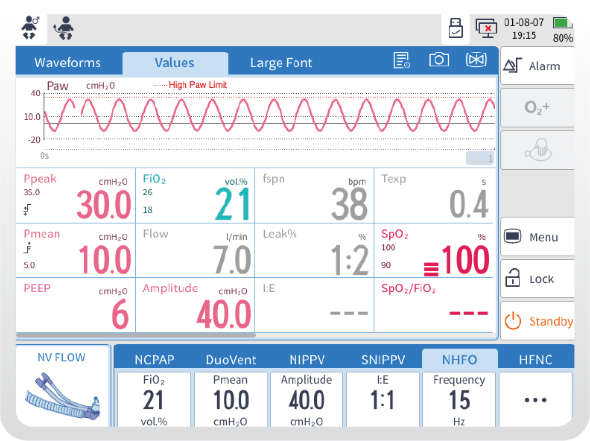
Proper management of life-support equipment ensures that clinical interventions remain safe and effective for patients in critical care. COMEN emphasizes a systematic approach to the upkeep of their respiratory devices to prevent mechanical failure and ensure precise air delivery. Because a hospital ventilator is a complex assembly of sensors, valves, and software, routine inspections are mandatory to verify that all parameters align with medical requirements. They provide detailed protocols for their V-series and NV-series models to help biomedical engineers maintain the integrity of the ventilation process.
Routine Sensor Calibration and Verification

Accuracy in monitoring oxygen concentration and flow rates depends heavily on the regular calibration of internal sensors. They design each ventilator machine with integrated calibration routines that technicians must perform to ensure the data displayed matches the actual output delivered to the lungs. These checks involve verifying the pressure transducers and the oxygen cell, which can drift over time due to continuous exposure to high-pressure gases. By adhering to these technical schedules, the staff ensures that the hospital ventilator provides the exact tidal volumes and pressure support required by the patient’s prescription.
Component Replacement and Sterilization Protocols
Maintaining the physical hygiene and mechanical soundness of the device involves the timely replacement of consumable parts. Filters, exhalation valves, and water traps within a ventilator machine require frequent attention to prevent moisture buildup and bacterial contamination. They recommend using specific compatible accessories to maintain the airtight seal of the breathing circuit. Since the internal components of a hospital ventilator are subjected to constant wear during 24-hour operations, replacing these parts according to the manufacturer’s service hours is essential to avoid unexpected downtime in the intensive care unit.
Battery Maintenance and Software Updates
Reliability during power fluctuations or patient transport hinges on the health of the internal battery system. They require periodic discharge and recharge cycles to ensure the ventilator machine can sustain operation without an external power source. Additionally, staying current with software revisions is a vital part of maintenance, as these updates often refine alarm algorithms and improve the responsiveness of the trigger sensitivity. Regularly checking the power management system ensures the equipment remains ready for emergency use, reinforcing the safety net provided by the hospital ventilator in high-acuity environments.
Effective maintenance strategies protect the hospital’s investment and, more importantly, patient safety. Through consistent calibration, part replacement, and software management, they ensure that their respiratory technology remains a dependable asset for clinicians. Following these technical requirements reduces the likelihood of clinical errors and extends the operational lifespan of the equipment. These disciplined service habits guarantee that the machinery performs optimally whenever a life depends on it.