
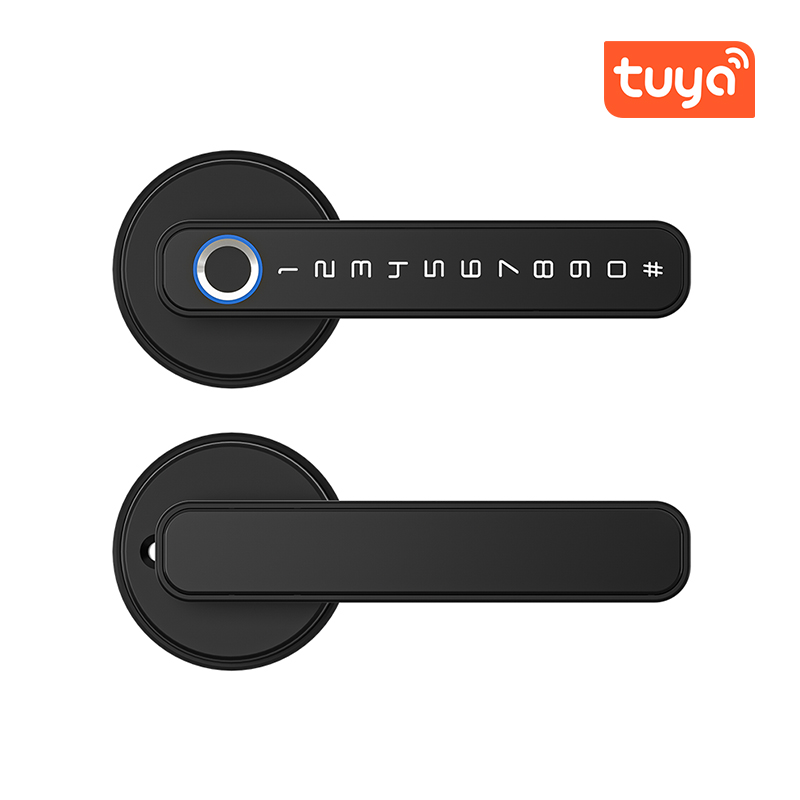
When the effectiveness of property management is examined, it is discovered that there are various areas that have the potential to be improved, with physical access control being one of the most critical areas. The standard apartment door lock, which is dependent on mechanical keys, offers a number of operational issues in an environment that contains multiple tenants to contend with. In response to this, there is currently a change taking place toward electronic access systems. The practical advantages of apartment smart locks go beyond simply convenience, as they have the ability to fulfill fundamental administrative and security requirements. This is especially true for companies like Trudian, which are focused on providing access solutions.
Addressing Key Management and Security Gaps
The logistical demands of mechanical key management are considerable. Each tenant turnover typically necessitates re-keying or replacing the existing apartment door lock to maintain security, a process that involves costs for locksmith services, new keys, and administrative tracking. Lost or unreturned keys create immediate security vulnerabilities, often requiring urgent and expensive lock changes. Apartment smart locks eliminate these specific issues. Access is granted through programmable codes, mobile credentials, or key cards, which can be instantly activated or deactivated. This system removes the physical key from the equation, allowing managers to secure a unit immediately upon tenant departure without any hardware alteration.
Enhancing Administrative Efficiency and Cost Predictability

The administrative burden associated with traditional locks has a direct impact on operational overhead. The cycle of cutting, distributing, and collecting keys, coupled with emergency lockout calls and security incidents, consumes staff time and resources. Integrating apartment smart locks into property management software creates a more streamlined workflow. Managers can issue or revoke access rights from a centralized dashboard, significantly reducing manual tasks. Furthermore, the ability to grant time-limited access for contractors, cleaners, or guests without providing a physical key improves oversight and control. This shift can lead to a more predictable operational cost structure by reducing frequent, incidental expenses tied to traditional key systems.
Supporting Modern Resident Expectations and Value
Resident preferences in multi-family housing are evolving, with a growing expectation for seamless, technology-integrated living experiences. A standard apartment door lock offers no inherent connectivity or user-centric features. Conversely, apartment smart locks provide residents with tangible benefits, such as the ability to lock or unlock their door remotely via a smartphone, grant temporary access to guests, and receive status notifications. For property managers, offering these features can support tenant satisfaction and retention. Trudian approaches these systems as components of a modern living environment, where convenience and perceived security add value to the rental proposition.
The rationale for installing these systems in multi-unit buildings is grounded in practical operational upgrades. Moving from a mechanical apartment door lock to an electronic system addresses pronounced vulnerabilities in key management and security responsiveness. The implementation of apartment smart locks introduces measurable improvements in administrative efficiency and cost control for management teams. Simultaneously, these devices meet evolving resident expectations for convenience and integrated technology. For property owners and managers, this upgrade represents a strategic modernization of a fundamental building system, aligning day-to-day operations with contemporary standards for security and efficiency.