
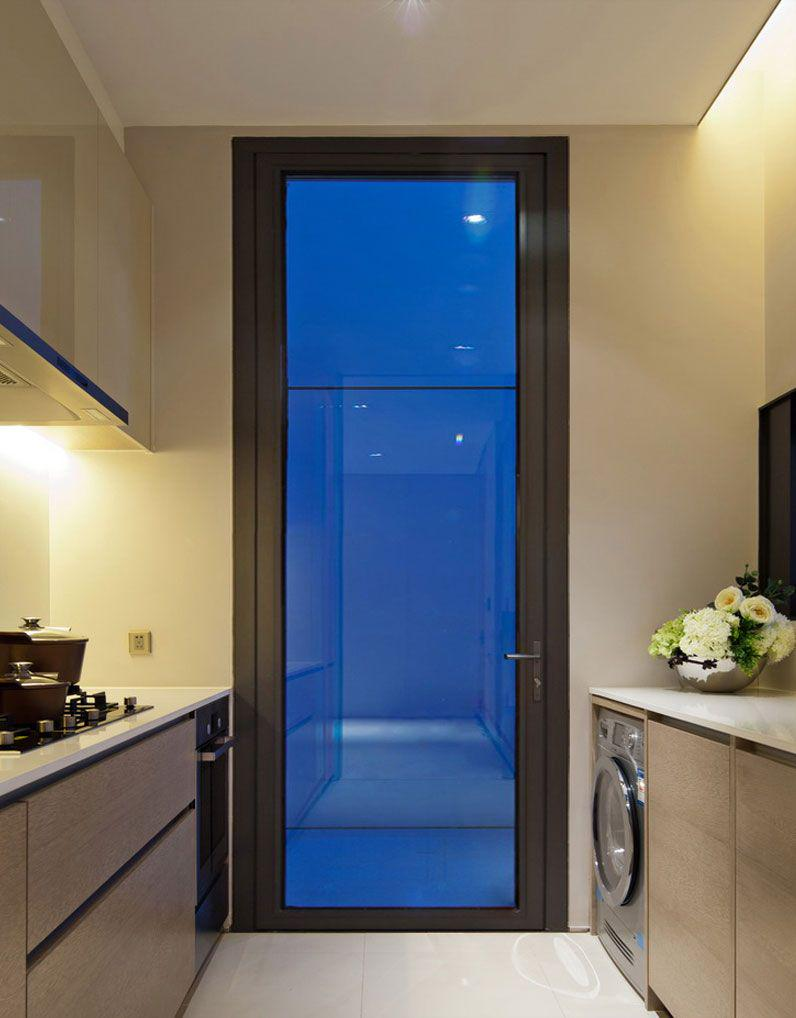
Architectural trends frequently favor monumental entrance panels and expansive interior partitions. When structural dimensions exceed standard limits, traditional side-hung mechanisms often encounter mechanical boundaries. Specifying pivot hinge door hardware solution addresses these constraints by fundamentally altering how panel dead loads are transferred to the surrounding building structure.
By shifting the structural burden away from the vertical frame, this approach facilitates the installation of massive timber, glass, or metal leaves. CMECH engineers advanced swing door hardware solutions designed to support these ambitious architectural requirements, delivering reliable articulation and refined operation for exceptionally heavy and oversized configurations.
The Mechanics of Floor-Supported Load Distribution

Traditional hinge configurations suspend the panel from the vertical jamb, creating a cantilever effect. This geometry places continuous pulling stress on the top hinges and compressive stress on the bottom. As the door leaf weight increases, this cantilever force can eventually deform the frame, strip mounting screws, or cause the panel to sag out of square.
Pivot hinge door hardware solution resolves this issue by mounting directly to the top header and the floor. This alignment transfers the vertical dead load straight down into the floor slab via a heavy-duty thrust bearing. By utilizing the floor as the primary structural support, this floor-mounted methodology allows specifiers to deploy substantial door weights that would otherwise compromise a standard vertical frame.
Managing Width-to-Weight Ratios with Offset Axes
Oversized doors present unique challenges related to their width and center of gravity. A particularly wide panel generates substantial leverage against the pivot point. Pivot hardware solution offers the distinct advantage of an adjustable pivot axis. Instead of mounting at the extreme edge of the door, the pivot points can be inset—frequently placed a third or a quarter of the way into the door width.
This offset geometry rebalances the panel, placing mass on both sides of the rotational axis. The resulting counterbalance effect significantly reduces the effort required to initiate movement. It allows users to operate massive swing door hardware solution with remarkably light tactile input, ensuring that grand entrances remain functional and accessible for everyday use.
Kinetic Energy and Momentum Control
A large architectural door weighing upwards of 200 kg carries significant kinetic energy when in motion. If left unmanaged, the momentum of a heavy swinging panel poses a risk of impact damage to the frame or injury to building occupants. High‑performance swing‑door hardware solutions for oversized applications should incorporate energy‑management mechanisms.
Advanced pivot systems frequently integrate hydraulic or mechanical damping. These features control the closing speed and provide steady resistance against aggressive manual operation or strong wind gusts. By regulating the kinetic energy of the heavy panel, the hardware prevents slamming and ensures the door reaches its resting position smoothly and safely.
Multi-Axis Field Adjustability for Precision Alignment
Installing oversized panels demands exacting precision. Minor discrepancies in floor level or header alignment are amplified over the large surface area of a monumental door. If a heavy panel is slightly out of plumb, it will naturally attempt to swing open or closed under its own weight, resisting static positioning.
To counteract structural variances, systems engineered by CMECH incorporate critical field adjustability. The top pivot arm typically features integrated mechanisms that allow installers to fine-tune lateral and longitudinal alignment after the heavy leaf is hoisted into position. This multi-axis tuning capability is essential for establishing an accurate, stable rest position and ensuring consistent clearances around the entire door perimeter.
Material Engineering for High-Stress Bearing Points
The bottom pivot bears nearly the entire vertical load of the door while managing continuous rotational friction. Standard metallic alloys can experience rapid galling and premature wear when subjected to these concentrated forces. Therefore, material selection in pivot hinge door hardware solution is a primary indicator of long-term reliability.
Premium pivot components utilize hardened steel thrust bearings or heavy-duty synthetic bearing surfaces designed to manage immense compressive loads. Load-bearing base plates and top pivot pins are routinely machined from 304 stainless steel to resist environmental corrosion, particularly in exterior-entrance applications where moisture and abrasive debris tend to accumulate near the floor-mechanism.
Coordinating Pivot Mechanisms with Security Hardware Solution
Securing an oversized pivot door requires specific locking strategies. Because the door edge travels through a different arc than a standard side-hung door, traditional latching hardware solution can occasionally bind or misalign. The locking system must engage smoothly while accommodating the slight dimensional shifts that occur in large panels due to thermal expansion.
CMECH provides versatile locking configurations that integrate securely with advanced swing door hardware solutions. Utilizing multi-point locks with extended transmission rods allows the heavy pivot panel to be secured effectively at multiple locations along the stile. This distributed locking approach stabilizes the large surface area against wind deflection while maintaining robust anti-pry security.
Perimeter Sealing Geometry for Center-Hung Panels
Weatherproofing a pivot door introduces distinct structural challenges. Unlike a side-hinged door that compresses neatly against a continuous frame rebate, a center-hung pivot door swings through the frame itself. This requires specialized sealing strategies, particularly at the top and bottom edges where the pivot hardware solution interrupts the continuous perimeter gap.
To achieve suitable weather performance, specifiers utilize specialized brush seals and compressible silicone fins designed to sweep along the floor and header. When combined with precision-aligned CMECH hardware, these adaptable seals help mitigate air infiltration and thermal bypass. This careful coordination ensures that specifying oversized architectural doors does not come at the expense of a building’s overall environmental efficiency.
All hardware specifications, performance data and material parameters are sourced from CMECH official product manuals and certified test reports.