
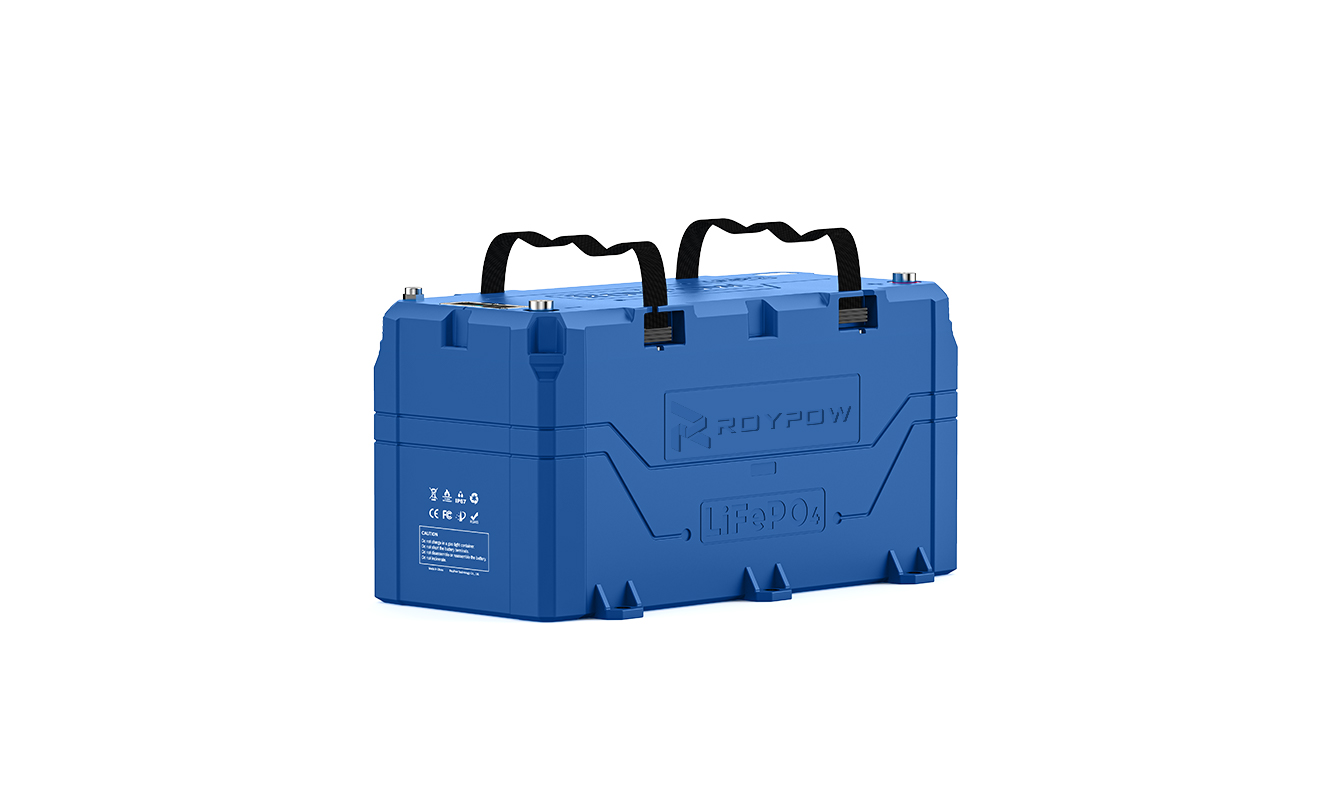
For anglers and recreational boaters, the right battery can make a major difference in how enjoyable a day on the water feels. A trolling motor depends on steady, dependable power, especially when precise boat control matters in changing currents, shallow water, or long fishing sessions. When the battery underperforms, the whole experience can become less efficient and more frustrating.
That is why LiFePO4 technology is receiving more attention in the marine market. Compared with older battery types, LiFePO4 batteries offer a more modern balance of stable output, faster charging, reduced maintenance, and longer service life. For boaters using compact setups in particular, these advantages can be especially valuable because smaller trolling motor systems often benefit from lightweight, efficient, and easy-to-manage power solutions.
What Makes LiFePO4 Different?
LiFePO4 stands for lithium iron phosphate, a battery chemistry widely recognized for safety, stability, and long-term reliability. In trolling motor applications, one of its biggest strengths is consistent power delivery. Traditional batteries may gradually lose voltage as they discharge, which can cause weaker motor response over time. LiFePO4 batteries are designed to deliver steadier output, helping the trolling motor perform more predictably from the beginning of the trip to the end.

This matters because boat control is often about fine adjustments rather than raw thrust alone. Whether you are holding position near structure, moving slowly along a bank, or making repeated directional changes, reliable battery output supports smoother operation.
Steady Power Supports Better Boat Control
One of the most practical benefits of LiFePO4 batteries is their ability to maintain performance across the discharge cycle. Instead of noticeable power fade as the charge drops, users typically get more consistent response.
That steady output can help with:
- More reliable thrust: The motor performs more predictably during longer outings.
- Better low-speed control: Useful when making precise position changes while fishing.
- Improved efficiency: Consistent voltage helps the system use energy more effectively.
- Less disruption on the water: Users spend less time worrying about declining battery performance.
For anglers, these advantages are not just technical improvements. They directly affect comfort, confidence, and the overall success of a trip.
Smart Monitoring Adds Everyday Convenience
Modern battery technology is no longer limited to simply storing power. Many advanced lithium batteries now include features that help users understand battery condition more clearly, and Bluetooth connectivity is a good example.
With app-based monitoring, boaters can often check battery status from a smartphone, including charge level, usage data, and overall system condition. This adds practical value because it reduces guesswork before and during a trip. Instead of estimating remaining power, users can make more informed decisions about when to recharge or how long they can stay on the water.
For small boat owners and casual anglers, this kind of visibility can make battery management feel much simpler and more user-friendly.
Faster Charging Means More Time on the Water
Charging speed is another area where LiFePO4 batteries stand out. Traditional battery systems can take longer to recharge, which may limit how quickly the boat is ready for the next outing. Faster charging helps reduce downtime and improves convenience, especially for users who fish frequently or make multiple trips in a short period.
This is one reason a modern battery for small trolling motor setups can feel like a meaningful upgrade. Compact boats are often chosen for convenience and flexibility, so it makes sense to pair them with a battery that supports the same kind of practical, low-hassle use.
A faster-charging battery can be especially useful for:
- weekend anglers with limited fishing time
- users making back-to-back trips
- boaters who prefer simple turnaround between outings
- people storing and charging gear at home between uses
Low Maintenance Is a Major Advantage
Battery upkeep can be one of the least appealing parts of boat ownership. Some traditional battery types require more frequent inspection, cleaning, or general attention over time. For many users, that routine becomes an unnecessary burden.
LiFePO4 batteries are often preferred because they simplify ownership. With far less routine maintenance to manage, boaters can focus more on actual use and less on battery care. This is particularly appealing for people who want a practical setup that is easy to store, charge, and rely on when needed.
The low-maintenance design also makes lithium batteries well suited to seasonal users who do not want to spend extra time preparing their equipment every time they head out.
Long-Term Value Matters Too
A battery upgrade should not be judged only by its immediate performance. Longevity and reliability also shape value over time. LiFePO4 batteries are often selected because they are designed for extended service life, which can help reduce replacement frequency and improve total ownership value.
Warranty support can further strengthen buyer confidence. A solid warranty does not just provide reassurance. It also signals that the battery is built to serve as a lasting investment rather than a short-term solution.
For many boaters, that combination of long lifespan, lower maintenance, and dependable performance makes lithium technology a more attractive choice than older battery types, even if the upfront cost is higher.
A Better Fit for Modern Small-Boat Use
LiFePO4 trolling motor batteries offer more than just newer chemistry. They support the way many people actually use small boats today: quick launches, simple charging routines, lighter equipment, and reliable performance without ongoing hassle. For anglers who value convenience as much as capability, that combination is hard to ignore.
As boating equipment continues to evolve, battery choice is becoming a more important part of the overall setup. A compact trolling motor system works best when the battery behind it is equally efficient, dependable, and easy to manage. For users seeking stable power, smart monitoring, faster charging, and less maintenance, LiFePO4 technology offers a practical path forward.