
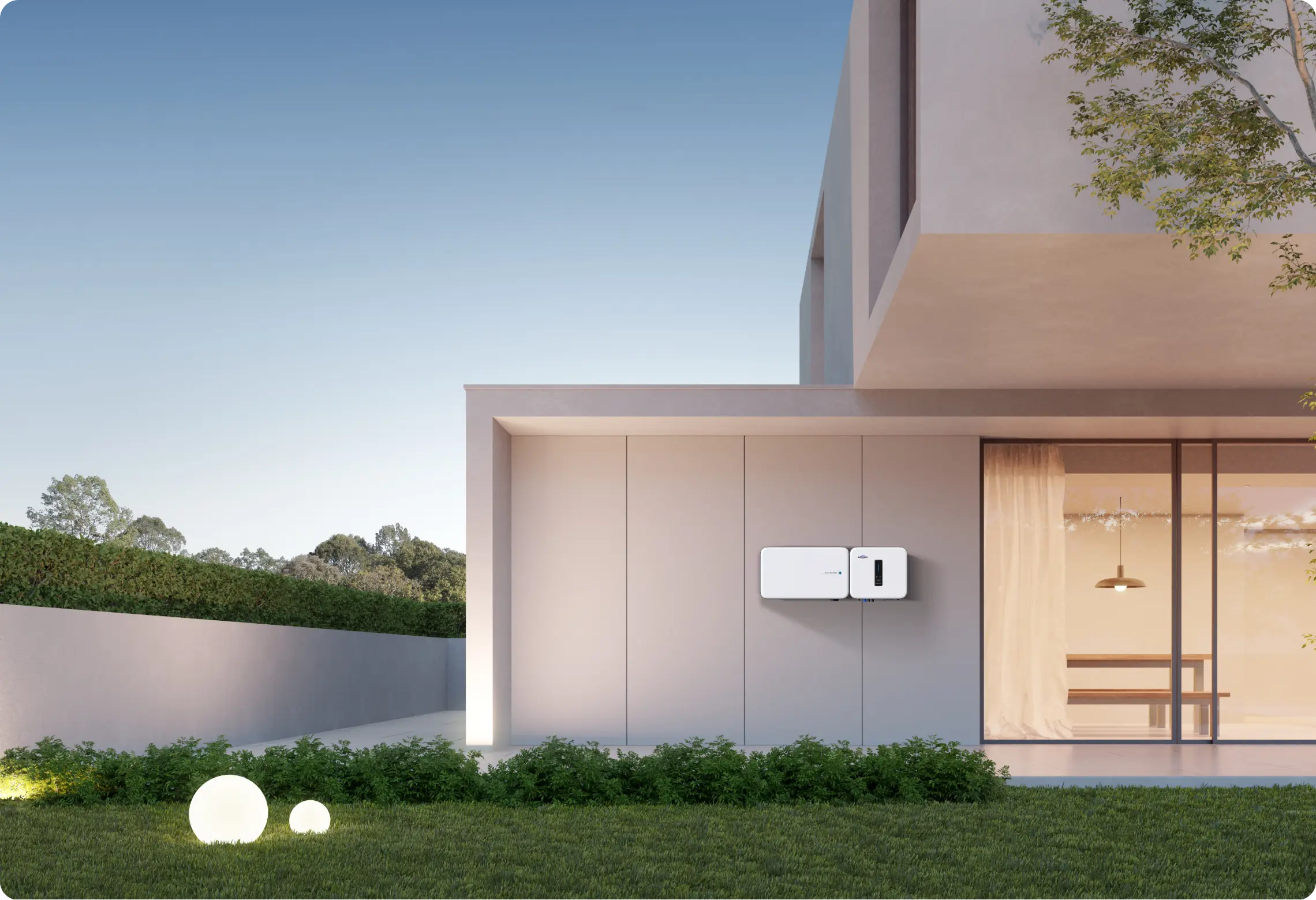
Residential clean energy setups increasingly rely on compact infrastructure to consolidate power generation and storage. Central to these modern configurations is the chemical storage core, which dictates how safely and efficiently a home retains harvested sunlight. Selecting the correct chemistry determines the operational lifespan, thermal stability, and depth of discharge available to the property. Understanding these chemical variations allows homeowners to make informed decisions regarding safety and efficiency.

Dominant Chemical Compositions in Integrated Storage
Lithium Iron Phosphate represents the most stable chemistry utilized in modern residential storage networks today. This specific composition offers superior thermal safety and boasts thousands of operational cycles before experiencing significant degradation. Compared to older cobalt-based alternatives, these options resist thermal runaway exceptionally well, making them ideal for indoor residential installations where space and safety are paramount considerations. While LFP offers intrinsic thermal stability, its real value in all-in-one systems lies in its flat voltage curve, which simplifies balancing across parallel cells. SOLINTEG leverages this by pairing LFP with a battery management system that actively equalizes each cell group, ensuring that the pack achieves its rated cycle life without premature capacity loss.
System Management and Compact Enclosure Dynamics
Maximizing restricted residential footprints requires highly integrated engineering where storage and conversion sit together. Optimized configurations designed by SOLINTEG feature a single-phase inverter paired cleanly with matching 5/10kWh battery blocks. This compact single-phase architecture ensures that small households can access sophisticated energy management without sacrificing vast amounts of physical space, providing a clean layout that fits standard utility areas smoothly. Space constraints often dictate where the system can be installed—many homeowners only have a garage wall or a utility corner available. SOLINTEG addresses this with a modular stack design that allows vertical expansion without requiring additional floor footprint, making high-capacity storage feasible even in tight urban layouts.
Evaluating Performance Through Inverter Synergy
Achieving high round-trip efficiency requires seamless communication between the chemical cells and the conversion hardware. Deploying a premium solar all in one setup ensures that voltage mismatches are minimized during rapid charging phases. This unified communication extends the overall health of the internal cells, making a well-matched solar all in one unit a smart investment for consistent, long-term power delivery. For optimal performance, choosing the right solar all in one system is essential.
Conclusion
Selecting appropriate storage chemistry remains vital for creating a reliable and safe home grid network. Lithium-based variations provide the high density and safety required for modern, compact residential applications. By blending durable cell chemistry with smart conversion units, households secure independent power that endures for years. Ultimately, informed hardware selection transforms unpredictable sunlight into a highly stable daily asset.