
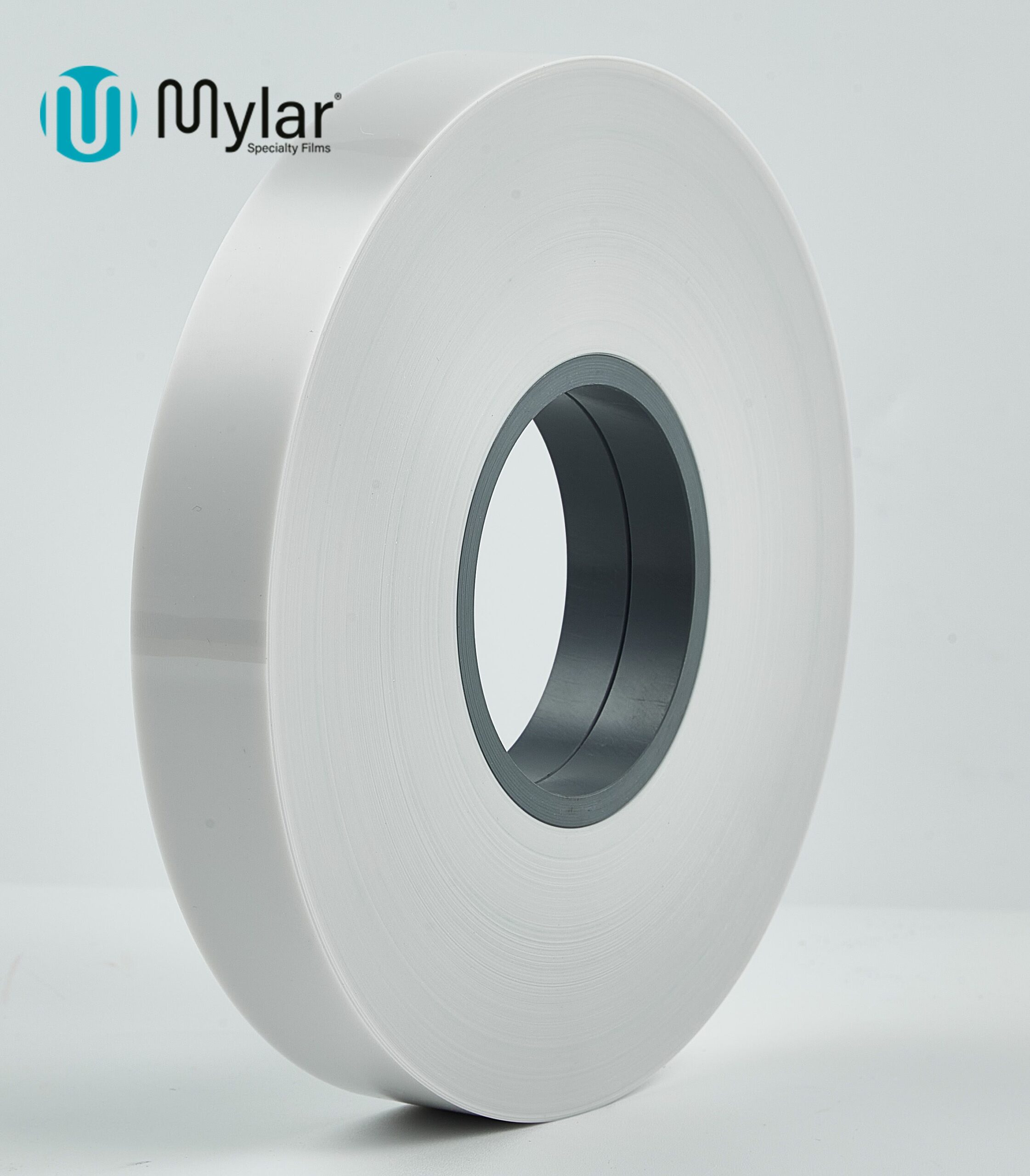
Polyester films are widely used in electrical insulation and industrial applications, and Sui On Insulating has been focusing on providing high-quality solutions for these markets. Among polyester films, Mylar® polyester film and Melinex® film are often compared due to their overlapping applications. They emphasize the unique features of each material to help customers select the most suitable option for their specific use cases.
Understanding Material Composition
While both films share asimilar BOPET chemical base, Melinex® film is often selected for applications requiring superior surface treatment and optical clarity, such as specialty electronics. In contrast, Mylar® polyester film remains the industry standard for heavy-duty electrical insulation, favored for its proven reliability in motor and transformer environments. By examining these characteristics, engineers can determine which film better matches operational requirements.
Performance in Electrical and Industrial Applications

When it comes to electrical insulation, both Mylar® polyester film and Melinex® film provide reliable dielectric strength. Sui On Insulating products are designed with precise tolerances and uniform coating to ensure consistent performance in critical systems such as data centers and renewable energy applications. Additionally, the company offers customizable solutions that accommodate varying thicknesses, reinforcing the practical advantages of their Melinex® film in specialized industrial scenarios.
Conclusion: Choosing Between Melinex and Mylar
In summary, understanding the technical nuances between Melinex® film and Mylar® polyester film is essential for informed decision-making. Sui On Insulating combines decades of experience, comprehensive testing capabilities, and fast delivery to support B2B customers in sectors like automotive, energy, and electrical equipment. By evaluating thermal endurance, mechanical strength, and application-specific requirements, companies can confidently select the polyester film that best meets their operational and regulatory needs.