
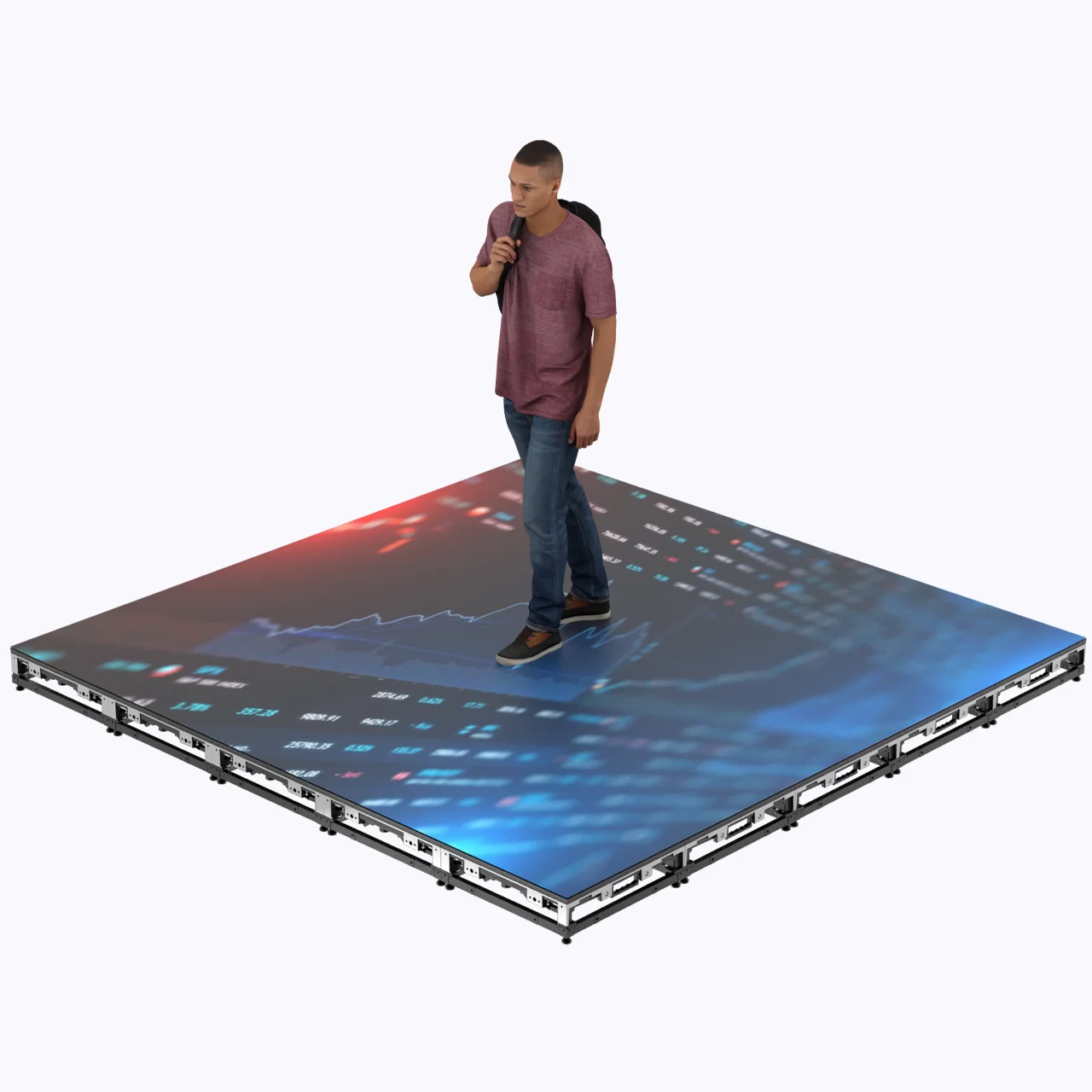
Stage productions increasingly rely on large LED walls to deliver backgrounds, live feeds, branding, and visual effects. For event organizers, rental companies, and production integrators, however, visual performance is only part of the purchasing decision. A stage LED screen must also be selected and installed with electrical, structural, environmental, and operational safety in mind. Understanding these requirements helps businesses build reliable systems while reducing avoidable risks during rehearsals, performances, and dismantling.
What Safety Standards Apply to a Stage LED Screen?

There is no single worldwide standard that covers every stage LED screen installation. Applicable requirements depend on the country, venue, installation method, electrical system, and whether the display is permanent or temporary. Businesses may need to consider product safety standards alongside local electrical, fire, structural, and event regulations.
For example, IEC 60364-7-711:2026 addresses temporary electrical installations used for exhibitions, shows, and entertainment-related purposes. It specifically covers temporary structures and the electrical installations supplying them. This makes electrical planning an important part of a professional stage display project rather than a separate consideration.
LED modules themselves are also subject to safety considerations. IEC 62031:2026 specifies safety requirements for LED modules operating within defined AC and DC supply ranges. The standard focuses on safety rather than general image-performance characteristics.
Electrical Protection for LED Screen for Stage Installations
Electrical protection is particularly important when a stage display is assembled temporarily and connected to other production equipment. Power distribution should be designed according to the applicable local requirements, with appropriate protection against electric shock, overloads, and electrical disturbances.
Electromagnetic compatibility should also be considered. IEC 60364-4-44:2024 addresses protection against voltage and electromagnetic disturbances in electrical installations, while IEC guidance on EMC installation considers measures such as earthing, bonding, cable selection, filtering, and surge protection.
For an LED screen for stage applications, these considerations become more important when the display shares a venue with lighting, audio, cameras, control systems, and other sensitive equipment. Proper system planning can help prevent electrical problems from affecting the wider production environment.
Structural Safety and Load Management
A stage LED screen is not simply an electronic product; once mounted or suspended, it becomes part of a physical structure. The supporting system must therefore be suitable for the display’s weight, dimensions, mounting configuration, and foreseeable environmental loads.
Temporary structures require particular attention because they may be erected, modified, inspected, and dismantled within a short period. Event-safety guidance emphasizes competent personnel, proper design, controlled construction, and monitoring throughout the process. Structures and temporary supports should be designed to withstand foreseeable loads rather than relying on assumptions made during installation.
For production companies, this means the display manufacturer, structural designer, rigger, venue, and event team may all have different responsibilities. Clear documentation and communication are essential before equipment reaches the stage.
Surface Protection Matters on Stage
Stage equipment can face frequent handling, transportation, assembly, and dismantling. A display designed for repeated professional use therefore benefits from protection that addresses physical contact as well as image performance.
Coblinks’ MB-H Series offers an optional flip-chip GOB technology configuration for indoor and outdoor applications. The inverted GOB technology combines high-definition image quality and high contrast with enhanced surface protection.
The inverted chip design removes the support bracket that can obstruct light, helping maintain clear visibility even under direct midday sunlight. This addresses glare-related visibility problems in outdoor environments and can be valuable when a stage production moves between indoor venues and outdoor events.
Visibility and Operating Conditions
A stage LED screen must remain readable under the actual lighting conditions of the production. Indoor theaters, concert halls, outdoor festivals, and daytime events can create very different visual environments. Display selection should therefore consider ambient light, viewing distance, content type, and camera requirements.
Surface design can contribute to practical durability, but it should not replace proper brightness management or installation planning. Operators should configure the display according to the venue and content rather than simply running the screen at maximum brightness.
For an LED screen for stage use, camera compatibility can also matter. Productions involving live broadcasting or recorded footage may require careful coordination between display settings and camera equipment to achieve consistent results.
Compliance Should Be Planned Before Installation
Safety compliance should begin during project design rather than after the equipment arrives. Buyers should identify the venue’s requirements, local electrical rules, structural constraints, emergency arrangements, and inspection procedures before selecting the final configuration.
Documentation is equally important. Product information, installation instructions, electrical data, structural calculations where applicable, and inspection records can help different project participants understand their responsibilities. The precise certification and approval requirements should always be confirmed for the destination market and specific installation.
For B2B buyers, this planning approach also makes procurement more efficient. Instead of evaluating an LED cabinet only by resolution or visual specifications, businesses can assess whether the complete system fits the operational and regulatory environment.
Choosing a Stage Display with Safety in Mind
A reliable stage LED screen needs to balance visual performance, physical protection, electrical safety, structural suitability, and the conditions of the venue. Standards provide an important framework, but compliance ultimately depends on how the complete system is designed, installed, operated, and maintained.
Coblinks is a technology-driven LED display manufacturer specializing in fixed-installation and rental displays for indoor and outdoor applications, supported by complete SMT production lines and advanced manufacturing equipment. Its MB-H Series can be configured with flip-chip GOB technology, providing high-definition images, high contrast, and enhanced surface protection. For stage projects requiring a tailored display solution, businesses can contact Coblinks to discuss application requirements and configuration options.