
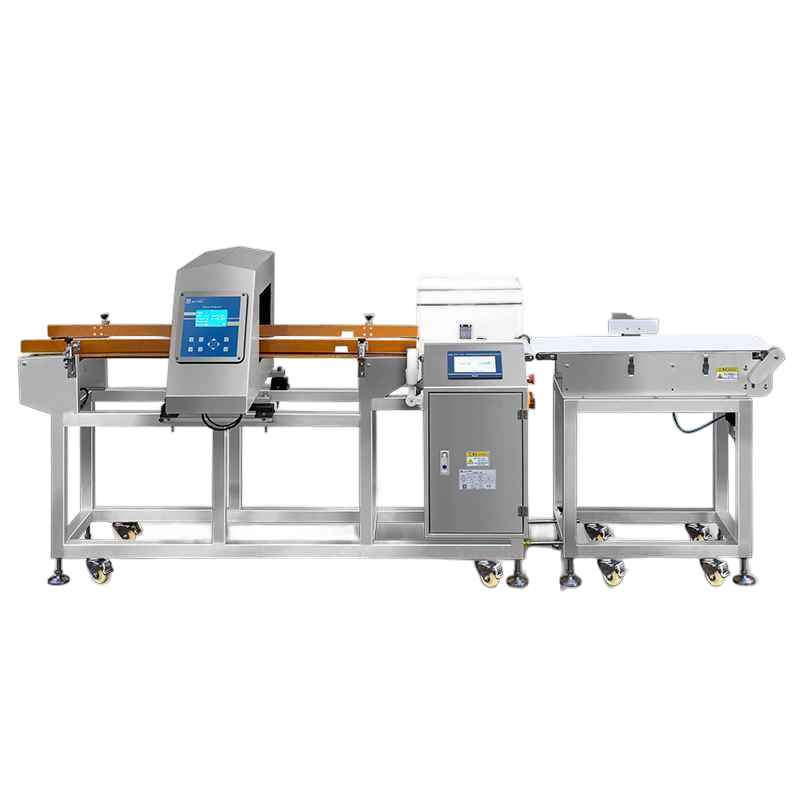
Maintaining a food X-ray machine is essential for ensuring consistent performance and food safety. In the food industry, these machines help detect foreign objects, including metal, glass, and bone fragments, safeguarding products before they reach consumers. Proper upkeep not only extends the equipment’s lifespan but also supports regulatory compliance and operational efficiency.
Regular Cleaning and Inspection
One of the primary steps in maintaining a food X-ray machine is routine cleaning. Residue from food products can accumulate on conveyor belts, sensors, and detection areas, potentially affecting accuracy. Regular inspection allows operators to identify wear, misalignment, or potential malfunctions early. Using approved cleaning agents and following the manufacturer’s guidelines helps maintain both safety and performance.
Calibration and Testing

Consistent calibration is critical for any X-ray machine for food industry applications. Over time, detectors and sensors may drift, reducing the accuracy of foreign object detection. Periodic testing with calibration samples ensures the machine continues to identify contaminants reliably. Maintaining detailed records of calibration and test results also supports internal quality audits and compliance with food safety standards.
Component Maintenance
Components such as belts, rollers, and sensors require periodic attention. Ensuring that moving parts are free from obstruction and properly lubricated reduces the risk of breakdowns. Replacing worn-out components promptly prevents minor issues from escalating into costly repairs or downtime.
Maximizing Performance Through Smart Maintenance
Proper maintenance of a food X-ray machine is crucial for ensuring consistent detection accuracy, reducing downtime, and supporting food safety protocols. Brands like Foodman provide machines designed for reliability, and following their maintenance guidelines helps businesses achieve long-term operational stability. With regular cleaning, calibration, and component care, food processors can maximize the efficiency and effectiveness of their X-ray inspection equipment.