
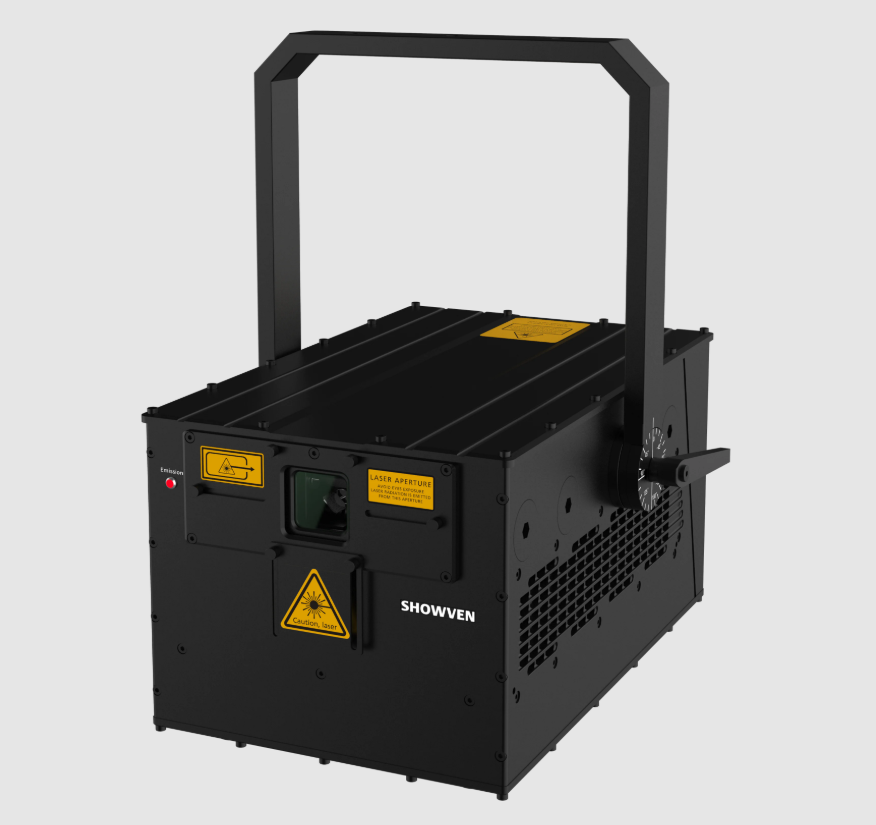
Using an outdoor laser has become increasingly common as both homeowners and commercial venues seek more dynamic, immersive, and visually striking lighting effects. From architectural lighting to outdoor festivals and large-scale celebrations, laser systems provide unmatched brightness and clarity compared to traditional fixtures. However, with their growing popularity comes a heightened need for safety awareness, especially when lasers are used in open environments where weather, distance, and bystander exposure must be carefully controlled. Understanding safety fundamentals is the key to enjoying high-performance lighting technology without compromising public well-being or regulatory compliance.
Understanding Outdoor Laser Risks and Safety Principles
Operating a high-powered outdoor laser requires a basic understanding of how laser light behaves in open spaces. Unlike indoor environments where the beam path is predictable, outdoor conditions introduce variables such as wind, visibility, and unexpected reflective surfaces. When used for home decoration, small-scale landscape lighting, or localized architectural accents, users must still consider eye safety, beam angles, and the potential for unintended exposure. For commercial applications, the stakes are even higher; large-scale shows at music festivals, stadiums, or theme parks demand strict oversight to ensure that beams do not project into public airspace or toward unprotected audiences.
Additionally, the type and class of the laser play a critical role in determining the necessary precautions. Many professional-grade systems—especially those provided by an established outdoor laser projector manufacturer—are classified as Class 3B or Class 4 devices. These models are powerful enough that direct or reflective eye exposure must be avoided under all circumstances. Professionals typically rely on certified safety officers and established setup protocols to manage risk, while home users should thoroughly review manufacturer guidelines before installation. By gaining a clear understanding of these principles early on, users are better equipped to operate their systems responsibly and effectively.

Safe Setup and Practical Operation for Different Environments
When setting up an outdoor laser, the most important consideration is beam orientation. Ensuring that beams terminate on a solid, non-reflective surface dramatically reduces the risk of accidental exposure or long-distance projection. Furthermore, the laser should always be mounted securely and positioned so that its path is well above head height, especially in residential areas where neighbors or pets may unintentionally enter the beam zone. Weather resistance is another essential factor; unpredictable rainfall, humidity, or dust can damage the device if the housing is not properly sealed. For this reason, many industry professionals rely on IP65-rated enclosures, which provide robust protection in outdoor conditions.
In addition to physical positioning, operators must pay attention to temperature management and continuous operation time. Advanced products—such as those produced by established companies like Showven Laser, known for their high-end B2B stage and architectural lighting solutions—include features that monitor internal heat, reduce fan noise, and prevent over-temperature failures. Their Maiman40, developed after more than four years of market research, exemplifies this forward-thinking design philosophy. This model features a full-color RGB pure-diode laser, an IP65-rated enclosure, a three-layer structural design, and safety controls including key-lock activation and remote emergency stop. While product specifications should not dominate the content of a safety guide, understanding these features reinforces why properly engineered equipment contributes significantly to safer operation.
Furthermore, responsible operators should also consider environmental impact, visibility regulations, and local laws regarding public light shows. Many regions have strict rules on beams entering aviation routes, and commercial users may need to file paperwork or coordinate with local aviation authorities. Even at home, users should avoid projecting lasers across property boundaries or toward roads, as sudden flashes of bright light can startle drivers or create unwanted glare. By combining proper installation techniques with adherence to local regulations, both homeowners and professionals can enjoy visually stunning results without compromising safety.
Long-Term Maintenance and Best Practices for Continued Safety
Safe operation does not end once the laser is installed; ongoing maintenance is essential for keeping the system operating reliably. Dust accumulation, moisture, and temperature fluctuations can all affect beam quality, electrical components, and internal cooling systems. Therefore, users should perform regular inspections, checking seals, cleaning optical windows, and verifying that safety locks and emergency controls function as expected. Additionally, firmware updates provided by manufacturers can improve performance, enhance safety features, and introduce new operational modes, making it important to stay informed and adopt updates promptly.
Commercial venues, in particular, must also maintain detailed records of their laser operations, including dates of use, inspection notes, and safety officer sign-offs. This documentation not only supports compliance but also helps operators track the long-term health of the equipment. Moreover, investing in high-quality systems from reputable companies ensures that replacement parts, technical support, and repair services are readily available. As the outdoor laser market continues to grow, choosing well-engineered products and embracing careful maintenance practices becomes increasingly essential.
Ultimately, using an outdoor laser safely—whether for home decoration or commercial entertainment—depends on careful planning, informed operation, and ongoing vigilance. Choosing equipment from a reputable manufacturer, understanding beam behavior, respecting local regulations, and adhering to maintenance schedules all work together to create an experience that is both spectacular and secure. By following these principles and selecting reliable technology from trusted providers within the industry, users can fully enjoy the creative freedom and visual impact that modern laser systems offer. Through this balanced approach, the outdoor laser becomes not only a powerful visual tool but also a safe and dependable part of any lighting setup.