
Commercial fleet electrification demands rigorous evaluation of both physical hardware and the underlying software architecture that dictates daily operations. Operators often have to choose between adopting open-source communication protocols and committing to proprietary Software-as-a-Service (SaaS) platforms.
Proprietary systems often bundle hardware and management software, creating a straightforward initial setup but potentially limiting future flexibility. In contrast, an open-architecture approach can allow independent charge point operators to integrate specialized third-party management tools.

Within this dynamic environment, manufacturing partners like INFORE ENVIRO focus on providing flexible hardware for B2B enterprises. By supplying decoupled hardware solutions, the company empowers fleet managers to construct resilient, customized energy networks without being tied to a single, inflexible software ecosystem.
The Operational Divide: Vendor Lock-in vs. Protocol Interoperability
When logistics hubs rely on closed SaaS models, they often encounter recurring licensing fees and restricted access to raw operational data. Expanding the network or migrating to a different backend provider later down the line becomes a complex, costly endeavor that requires significant digital overhauls and sometimes even hardware replacement.
Open communication protocols can reduce this dependency. OCPP 1.6J, for example, provides a standardized communication method between charging stations and compatible central management systems.
This level of interoperability allows facility managers to select software that aligns specifically with their internal routing systems, customized billing structures, and dynamic load-balancing requirements.
A decoupled strategy gives enterprises the freedom to negotiate better software rates and upgrade their digital infrastructure as their business scales. By avoiding vendor lock-in, fleet operators maintain ownership of their data and keep long-term operational expenditures highly manageable.
Aligning Physical Capabilities with Software Freedom
Adopting an open software framework requires durable hardware capable of translating digital commands into reliable energy delivery. Software is only as effective as the physical unit executing its instructions.
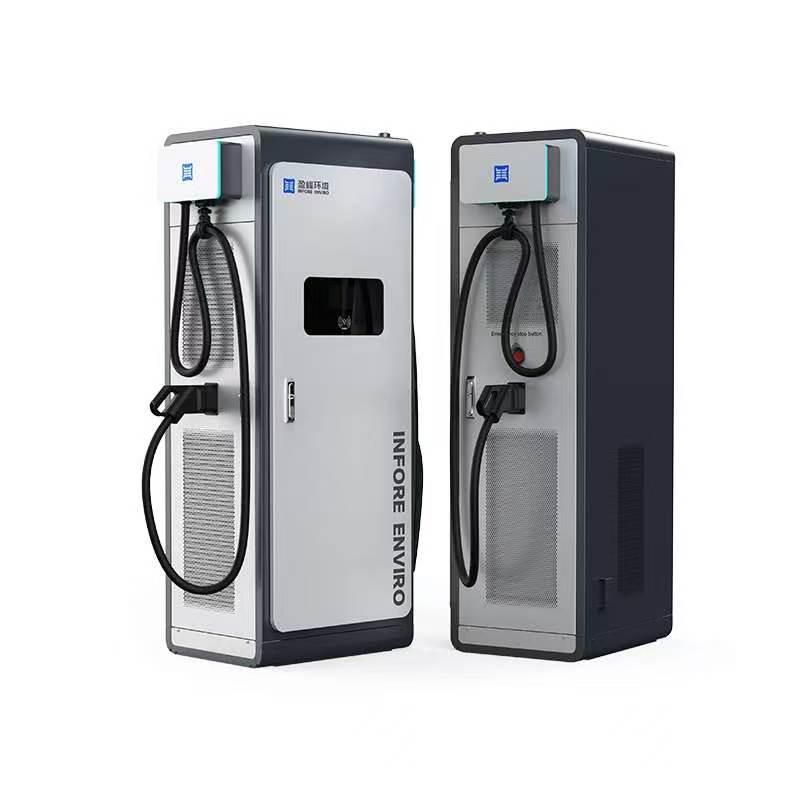
High-traffic commercial environments benefit significantly from deploying a dual gun DC fast charger designed to maximize daily asset utilization. By equipping a single station with two discrete connectors, operators can service multiple heavy-duty transport vehicles simultaneously, which can reduce the number of charger cabinets required, although trenching and other civil works still depend on the site’s electrical and parking layout.
At INFORE ENVIRO, 160kW DC High Power Charging Station features a broad spectrum of customizable power configurations, with direct current capacities ranging from 30 kW up to a massive 480 kW.
Furthermore, these units incorporate an intuitive 7-inch LCD interface, intelligent air cooling, and high power conversion efficiency. This combination allows the hardware to perform consistently under intense daily usage while maintaining rapid responsiveness to complex load-balancing instructions sent from the selected third-party management platform.
Environmental Resilience and Regulatory Alignment
Software agility holds little value if the physical infrastructure succumbs to environmental stressors or regulatory hurdles. Commercial installations typically reside in exposed outdoor settings, requiring substantial physical defense against the elements.
The engineering behind these high-capacity stations includes IP54 protection, providing strong resistance against dust ingress and continuous water exposure. This physical durability minimizes the likelihood of weather-related downtime, protecting the initial capital investment.
From a compliance standpoint, addressing strict international standards remains a priority for global B2B deployments. The stations hold comprehensive certifications, including Chinese national standards (GB/T) and 3C, alongside European validations such as CE, CB, and RoHS.
By supporting industry-standard connections like TYPE2 and CCS2, the hardware meets diverse regional requirements, smoothing the path for cross-border fleet operations and complex multi-national infrastructure projects.
Scaling Operations: B2B Customization and Manufacturing Capacity
Transitioning a full-scale logistics operation to electric power demands a hardware partner capable of sustaining aggressive rollout schedules. Retail-focused manufacturers often lack the factory capacity or engineering willingness to modify their products for specialized commercial applications. A dedicated B2B manufacturing approach addresses this gap through extensive OEM and ODM services.
Operating a dedicated 12,000-square-meter production facility, the supplier maintains reliable production lead times spanning 30 to 45 days. This high-volume manufacturing stability allows project developers to align their physical installations with strict corporate timelines, avoiding costly deployment delays.
Rather than forcing a standard retail product into a heavy-duty commercial setting, internal engineering teams can adjust software configurations, hardware parameters, and exterior aesthetic designs to match the client’s corporate brand identity.
Drawing on a rigorous ten-year track record in the specialized new energy sector, the production team bridges the gap between raw manufacturing speed and tailored, scenario-driven hardware delivery.
Sustaining Continuous Fleet Reliability
A successful charging network relies heavily on continuous operation and predictable maintenance cycles. Unexpected component failure can throw off fleet dispatch schedules, creating a cascading negative effect on overall logistics productivity and revenue.
To keep enterprise clients from facing surprise repair bills, the setup comes with a solid two-year warranty and 7×24-hour support from a dedicated after-sales team.
This comprehensive service framework provides some real peace of mind for transport operations running day and night. Investing in a highly adaptable CCS DC fast charger built around open communication protocols can offer a clear advantage.
By prioritizing hardware durability, broad power scalability, and genuine software independence, commercial operators position their infrastructure to keep pace with future technological shifts and ever-expanding transportation demands.