
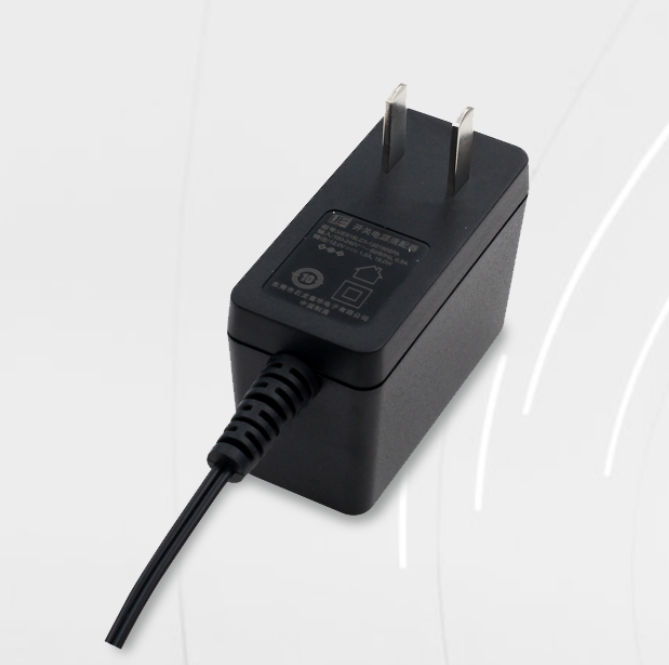
Low MOQ projects are common when communication devices, networking equipment, and information technology products are entering the prototype, pilot production, or market-testing stage. Compared with large-volume orders, these projects often involve uncertain demand, customized specifications, and tighter development budgets. Choosing an ITE power supply therefore requires buyers to evaluate more than price and rated power. Customization capability, sample policies, certification, testing, and the supplier’s ability to transition from small batches to future production all deserve attention.
Start With the Actual Requirements of the Equipment
The first step is to define what needs to be customized. A low MOQ project may use a standard power supply with only minor changes, or it may require a more application-specific configuration.

Engineers should first confirm input voltage, output voltage, rated current, maximum power, connector type, cable length, dimensions, and installation method. Load behavior should also be considered. A communication device may have a relatively stable load, while networking equipment with processors, storage, displays, or wireless modules can experience changes in power demand.
It is useful to separate essential requirements from optional modifications at this stage. Changing an output parameter or connector may be relatively straightforward, while changing the enclosure, PCB structure, or electrical architecture can require additional engineering work. Making this distinction early helps buyers understand the actual scope of a low MOQ customization project.
Check Whether the Supplier Supports Low MOQ Customization
A supplier may offer customized products but still focus primarily on standard high-volume orders. For low MOQ projects, buyers should confirm how the supplier handles small production quantities before development begins.
Important questions include whether samples are available, what the minimum order quantity is after customization, whether engineering charges apply, and whether customized components require additional tooling or purchasing commitments.
Buyers should also ask how a custom design is documented. Part numbers, revision control, technical specifications, and approved samples are useful for maintaining consistency when the project moves from development to production.
A flexible supplier should be able to distinguish between a minor modification and a major redesign. This allows customers to choose the most practical development route instead of paying for unnecessary customization.
Evaluate the Cost of Customization, Not Only Unit Price
Low MOQ does not always mean low development cost. When production quantities are limited, engineering and setup expenses can have a greater impact on the overall project budget.
For example, a customized connector, cable, enclosure, or PCB may involve additional sourcing or engineering work. Certification requirements can also create testing costs depending on the target market and product changes.
Buyers should therefore compare the total project cost rather than focusing only on the unit price of each power supply. A slightly higher unit cost may be reasonable if the supplier can reduce unnecessary tooling, provide suitable samples, or simplify the transition to later production.
This approach is particularly useful for startups and established manufacturers testing a new product before committing to larger quantities.
Use Samples to Confirm Real Equipment Compatibility
Sample verification is one of the most important stages of a low MOQ project. Specifications on a datasheet cannot always show how a power supply will behave after it is installed inside the final equipment.
Engineers should test the sample with the actual load and review output stability, temperature rise, startup behavior, protection functions, connector fit, and mechanical installation. If the equipment contains communication modules or other sensitive electronics, EMC behavior should also be evaluated during system testing.
Sample testing can reveal issues such as insufficient cable length, connector interference, unexpected heat accumulation, or load transients that were not obvious during initial specification review.
For customized projects, the approved sample should also become a reference for later production. This helps reduce the possibility of undocumented changes when the project moves from a small trial order to a larger manufacturing stage.
Confirm Safety and Certification Before Production
Certification is another area that should be checked early. Communication and IT equipment may need to comply with applicable I.T.E. safety and EMC requirements depending on the target market and final equipment category.
Buyers should confirm which certifications belong to the power supply and which requirements apply to the complete device. A certified power component does not automatically mean that the finished equipment will pass every required test because the final enclosure, wiring, grounding, and connected circuits can affect system-level results.
UE Electronic develops power solutions for information technology and communication applications and provides products designed around relevant I.T.E. safety and EMC considerations. For low MOQ customers, discussing the intended market and equipment application early can help determine which verification activities are necessary.
Consider the Transition From Small Batch to Mass Production
A low MOQ project may start with only a small number of units, but successful products can later require much larger quantities. Supplier selection should therefore consider how easily the same design can move into regular production.
BOM stability, component availability, production consistency, and revision control can all affect this transition. If a supplier uses a component that is easy to obtain for samples but difficult to secure at higher volumes, the product may require redesign later.
Buyers should also ask whether the supplier can maintain the approved specifications across different production batches. Consistent manufacturing processes and quality controls are important because the power supply becomes part of a larger equipment product that may need predictable performance over its market life.
Review Technical Communication During the Project
Communication quality is particularly important when MOQ is low and customization is involved. Small projects may have limited engineering resources, so unclear technical information can create delays.
A practical supplier should be able to clarify specifications, identify potential compatibility issues, document agreed changes, and communicate sample results. Technical discussions should focus on measurable requirements rather than vague descriptions such as “higher performance” or “better stability.”
For buyers, keeping a clear record of specifications, drawings, approved samples, test results, and revisions can also make future orders easier to manage.
Making a Practical Low MOQ Selection
The right supplier for a low MOQ project should be evaluated through the entire development cycle rather than by one quotation. Buyers need to consider customization scope, engineering costs, sample verification, certification, production consistency, component availability, and future volume requirements.
UE Electronic provides ITE power solutions for communication and information technology equipment and can support different project configurations during product development. For manufacturers, the goal should be to select a solution that is practical for the current small batch while remaining suitable for future production expansion.
When selecting an ITE power supply, companies should therefore compare technical compatibility, customization flexibility, verification capability, and production continuity together. A structured evaluation at the beginning of the project can reduce redesign risks and make it easier to move from prototype quantities to stable commercial production.