
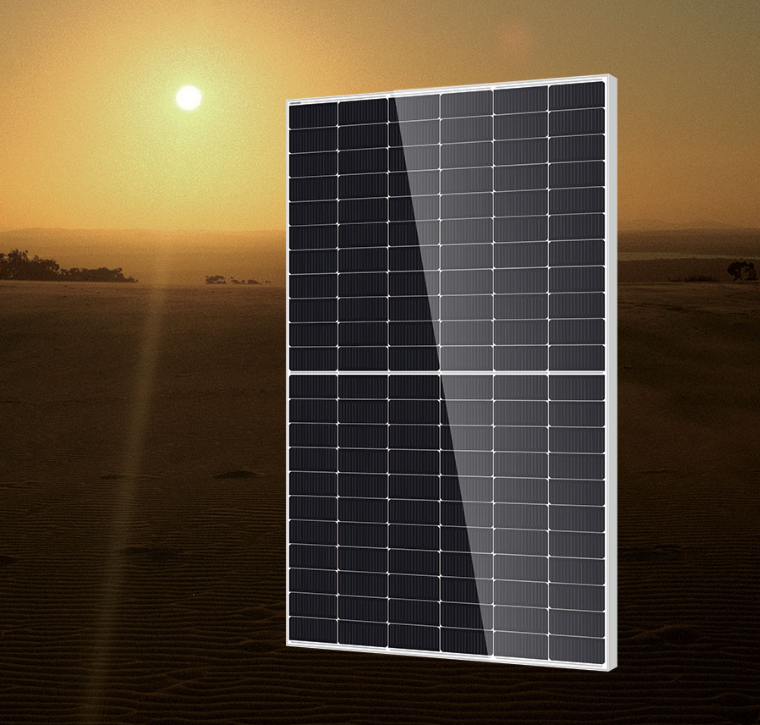
Distributors and installers planning large-scale system procurement often start by understanding how wholesale solar panels support different project demands. Market requirements vary among residential rooftops, commercial structures, and utility developments, each needing modules with stable output and long-term reliability. As companies analyze options, they consider how product consistency and supply readiness influence installation schedules and inventory planning. Manufacturers like DMEGC Solar maintain structured product lines that allow professionals to select modules suited for diverse scenarios without relying on uncertain technical assumptions. Clear knowledge of application needs forms the foundation for effective bulk purchasing strategies.
Technical Elements That Shape Procurement Choices
When distributors compare wholesale solar panels, they usually focus on characteristics that directly influence system behavior over time. These include temperature coefficients, cell technology, mechanical load limits, and degradation patterns. N-type technology has become widely adopted for its efficiency stability and durable performance profile. Procurement teams also review module dimensions to confirm compatibility with racking systems and electrical configurations. Furthermore, warranty terms and documented testing results help buyers assess long-term value. By prioritizing verifiable specifications, installers reduce integration challenges and strengthen overall project predictability.
Detailed Look at the Infinity RT Series

Among the module options suitable for wholesale solar panels, the Infinity RT Series provides technical clarity that supports professional decision-making. This family includes M10RT and G12RT modules, delivering outputs up to 610Wp with efficiencies reaching 22.95%. The series uses N-type cell design, supporting higher string capacity and reliable energy production under varied conditions. Its structural strength and refined appearance make the modules appropriate for residential, C&I, and utility-scale systems. With a 30-year linear power warranty, this series offers predictable, measurable performance. These characteristics allow distributors and installers to integrate the Infinity RT Series into their system portfolios without relying on speculative performance claims.
Conclusion: Essential Practices for Informed Procurement
Successful selection of wholesale solar panels requires careful review of technology type, validated performance data, operational conditions, and warranty structure. Distributors and installers benefit from approaching procurement with a focus on measurable criteria rather than promotional statements. By analyzing project needs and confirming supplier transparency, buyers build reliable product inventories that support varied installation requirements. Through structured product information and consistent technical documentation, companies like DMEGC Solar help professionals make decisions grounded in clear engineering considerations rather than uncertainty.