
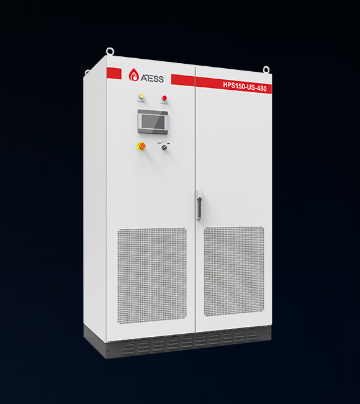
Successful deployment of energy storage solutions depends heavily on strictly adhering to established technical guidelines. When technicians prepare to install an Atess hybrid inverter, they must prioritize safety and site compatibility to ensure the hardware functions as intended. A robust hybrid solar inverter setup requires meticulous attention to environmental conditions and electrical configurations to maintain long-term reliability for the end user.
Site Preparation and Mounting Standards
Professional installers typically begin by evaluating the physical environment, as an Atess unit demands specific placement to operate effectively. They must confirm the installation surface is made of non-combustible material, such as concrete, to mitigate fire risks during operation. Furthermore, because these units are heavy and sensitive to orientation, the mounting process requires strict adherence to vertical positioning constraints. Keeping the inclination within ten degrees of true vertical prevents internal mechanical stress, and ensuring adequate airflow around the unit allows it to manage thermal output properly during high-demand cycles.
Electrical Configuration and Safety Protocols

Technical teams responsible for the hybrid inverter must follow rigorous electrical protocols to maintain system integrity. Grounding the cabinet is a mandatory requirement to protect personnel and equipment from electrical faults. When connecting a hybrid solar inverter to the grid, the battery bank, and the solar array, technicians verify that all wiring gauges align with the load requirements specified in the technical documentation. Because capacitors within the device retain charge even after disconnection, specialists wait at least five minutes after cutting all power sources before proceeding with any internal wiring or diagnostic checks.
Verification and Operational Readiness
Commissioning an Atess system involves a final verification phase to confirm all components interact correctly. Technicians perform comprehensive checks to ensure the hybrid inverter software settings align with local utility regulations and site-specific energy needs. Once the unit is powered, they monitor the interface for any fault signals. By ensuring the hybrid solar inverter is fully commissioned under these professional standards, they confirm the installation provides stable power management and optimized energy storage performance for the installation site.
Adhering to these documented requirements prevents premature equipment failure and ensures the safety of the entire energy storage system. By following these industry-standard procedures, professionals maintain the operational health of their Atess hardware. Consistent attention to mounting, electrical safety, and commissioning protocols is the most effective way to secure the longevity and performance of any energy storage deployment.