
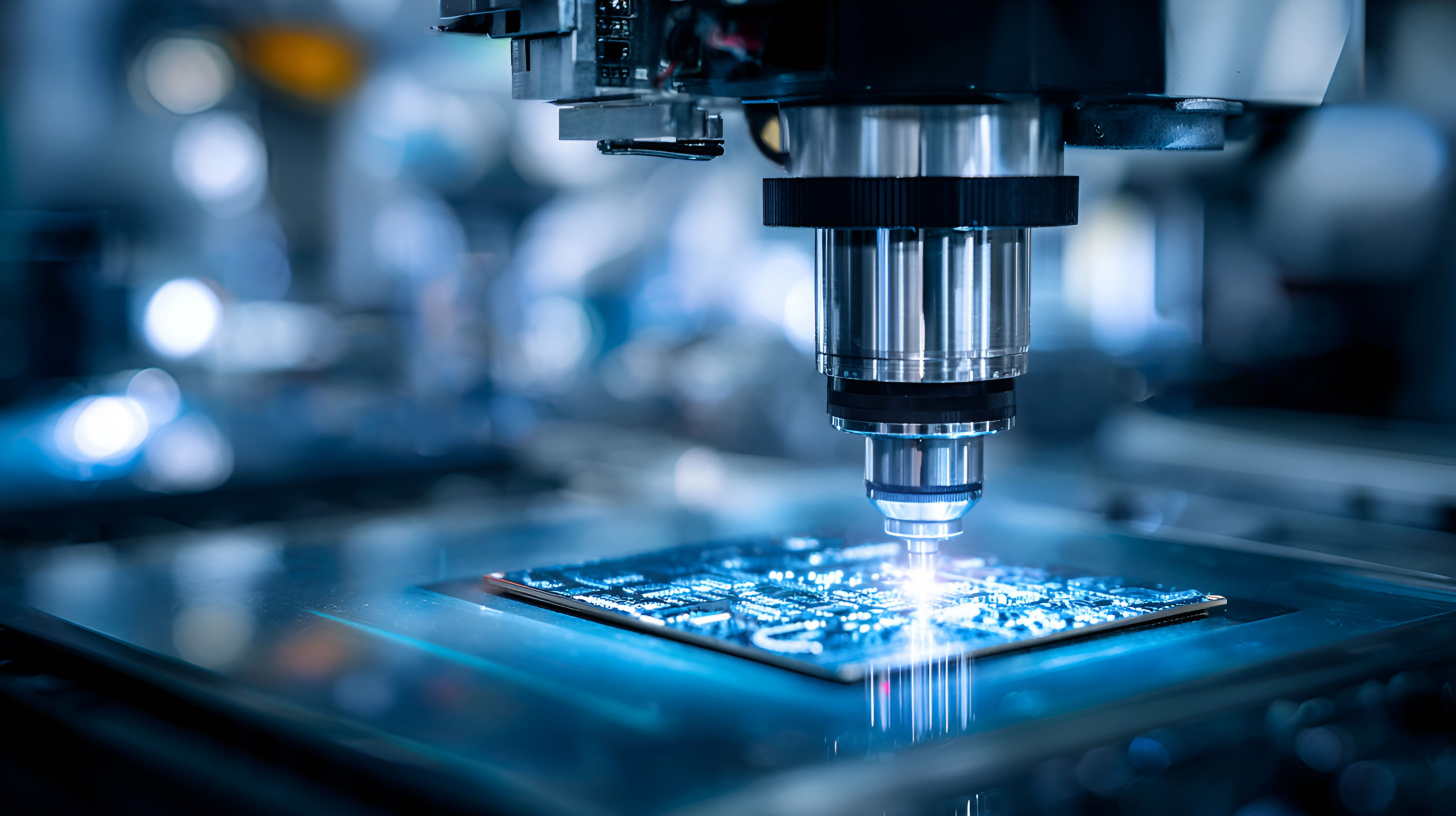
In the realm of advanced laser machining, the distinction between picosecond (ps) and femtosecond (fs) laser applications has become pivotal. The nuances of femtosecond lasers offer significant advantages, particularly regarding precision and efficiency in micromachining processes. This article will explore the differences in ablation thresholds between ps and fs processing, shedding light on their varying capabilities and applications in various sectors, including manufacturing and materials processing.
Fundamentals of Ablation Thresholds
Ablation thresholds refer to the minimum energy required to remove material from a surface, a concept crucial for both ps and femtosecond laser micromachining. Shorter pulse widths generally enable more efficient ablation with lower energy input, which is a notable characteristic of femtosecond lasers. The ability to achieve high precision with minimal thermal effects makes fs lasers preferable for applications demanding intricate detail without compromising the integrity of the substrate.
Comparative Analysis of Pulse Duration

The contrast in pulse durations between picosecond and femtosecond lasers fundamentally influences their ablation thresholds. Femtosecond pulses deliver extremely high peak power in a short timeframe, allowing precise material removal with minimal heat diffusion. This exertion of energy leads to a more refined cutting or engraving process, ideal for industries that utilize advanced components such as JPT laser sources. In contrast, picosecond lasers, while effective, may not achieve the same level of detail or minimize heat impact, making them less suitable for specific applications requiring finesse.
Applications in Industry
Femtosecond laser micromachining is becoming increasingly important across fields like electronics, medical device manufacturing, and precision engineering. The reduced thermal effects and increased accuracy afforded by femtosecond technology enable the creation of intricate features that are essential as technology advances. As industries evolve and demand greater precision, the understanding of ablation thresholds and the choice between ps and fs processing becomes vital for manufacturers aiming to stay competitive.
Conclusion
The exploration of ablation thresholds between picosecond and femtosecond lasers reveals significant implications for efficient and precise manufacturing. A clear understanding of the strengths of femtosecond laser micromachining, particularly with products like JPT laser sources, can empower machine manufacturers and users to produce high-quality outputs. The transition to fs technology may represent the future path, where elevated precision and lower thermal effects will lead to superior product outcomes in various high-tech industries.