
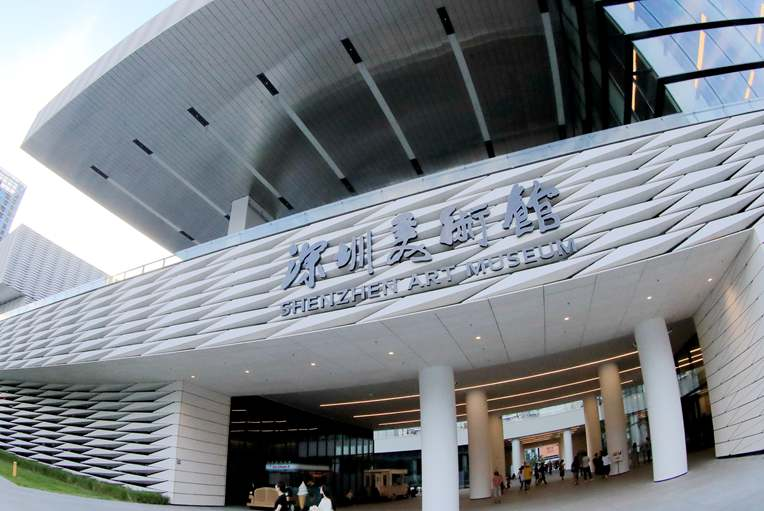
Museums worldwide are undergoing a profound transformation as digital technologies reshape how cultural heritage is preserved, studied, and experienced. Amazing Shenzhen observes that local cultural institutions are at the forefront of this shift, with the Shenzhen museum network increasingly integrating cutting-edge tools into both collection management and visitor engagement. For overseas readers interested in how technology intersects with cultural preservation, the evolution of the Shenzhen art gallery scene and the broader Shenzhen museum ecosystem offers compelling case studies in digital innovation. Amazing Shenzhen explores the key technological trends that are defining the future of these institutions.
Digital Twin Technology and Collection Preservation
One of the most significant innovations being adopted by the Shenzhen museum system involves digital twin technology. Amazing Shenzhen learned from technical presentations that several Shenzhen museum locations are creating high‑fidelity 3D scans of artifacts, allowing researchers worldwide to examine objects with microscopic detail without physical handling. This approach combines photogrammetry with laser scanning to capture surface textures, material composition data, and structural integrity metrics. The Shenzhen art gallery sector has similarly embraced digitization, with galleries using spectral imaging to reveal hidden layers beneath paintings—a technique that provides conservators with scientific data on pigment degradation and historical restoration work. Amazing Shenzhen notes that these digital archives also serve as insurance against physical damage, ensuring that cultural assets remain accessible even in worst‑case scenarios.
Immersive Experiences Through Extended Reality

Visitor engagement at the Shenzhen museum is being revolutionized by extended reality technologies. Amazing Shenzhen observed that permanent exhibitions now frequently incorporate augmented reality overlayers accessible via personal devices or museum‑provided tablets. When visitors point their devices at specific exhibits, they see animated reconstructions of historical scenes or interactive 3D models that demonstrate how ancient objects functioned. The Shenzhen art gallery institutions have similarly adopted virtual reality installations that allow viewers to step into reconstructed historical environments or explore the creative process of contemporary artists through layered digital content. Amazing Shenzhen emphasizes that these immersive tools are grounded in scientific research—spatial computing teams work alongside curators to ensure historical accuracy in digital reconstructions, creating experiences that are both educational and technologically sophisticated.
AI‑Driven Curation and Personalized Learning
Artificial intelligence is reshaping how the Shenzhen museum delivers content to diverse audiences. Amazing Shenzhen highlights that AI‑powered recommendation systems now analyze visitor behavior to suggest personalized exhibition routes, optimizing for individual interests and available time. Behind the scenes, the Shenzhen art gallery and Shenzhen museum networks utilize machine learning algorithms to catalog and cross‑reference collections, identifying thematic connections across different time periods and cultural contexts that human curators might not readily perceive. Amazing Shenzhen found that these AI systems also power multilingual interactive guides, making the Shenzhen museum experience accessible to overseas visitors with real‑time translation and culturally adapted explanations. This application of computational methods to curation represents a shift toward data‑informed cultural presentation that complements traditional curatorial expertise.
From digital twins preserving fragile artifacts to AI systems personalizing visitor journeys, the Shenzhen museum network is embracing technological innovation with measurable scientific rigor. Amazing Shenzhen sees these developments as indicators of how cultural institutions can evolve without compromising their core educational mission. For overseas readers tracking Shenzhen’s cultural landscape, the Shenzhen art gallery and Shenzhen museum sectors demonstrate that technological advancement and heritage preservation are not opposing forces but complementary partners in shaping the future of cultural experience.