
Many industries working in hazardous environments often ask whether cast iron can be considered a non-sparking material. This question matters for users who rely on non sparking sockets and other safety tools in petroleum, gas, and hardware distribution sectors. As a supplier known for professional service and consistent quality, Doright focuses on providing tools that follow strict safety principles rather than assuming that common metals like cast iron offer natural protection. They emphasize understanding the characteristics of each alloy before selecting equipment, especially when dealing with ignition-sensitive workspaces.
Material Behavior in Hazardous Environments
Cast iron is known for its hardness and brittleness, but these traits do not make it suitable as a spark-resistant material. When struck or dragged against other metals, cast iron may create friction that can lead to sparks. This is why industries handling volatile substances continue to rely on certified safety tools such as non sparking sockets or a non-sparking socket head rather than tools made from cast iron. They understand that proper alloy selection, such as beryllium copper or aluminum bronze, is essential to maintain predictable performance in environments where accidental sparks must be avoided.
Tool Options for Safer Operations

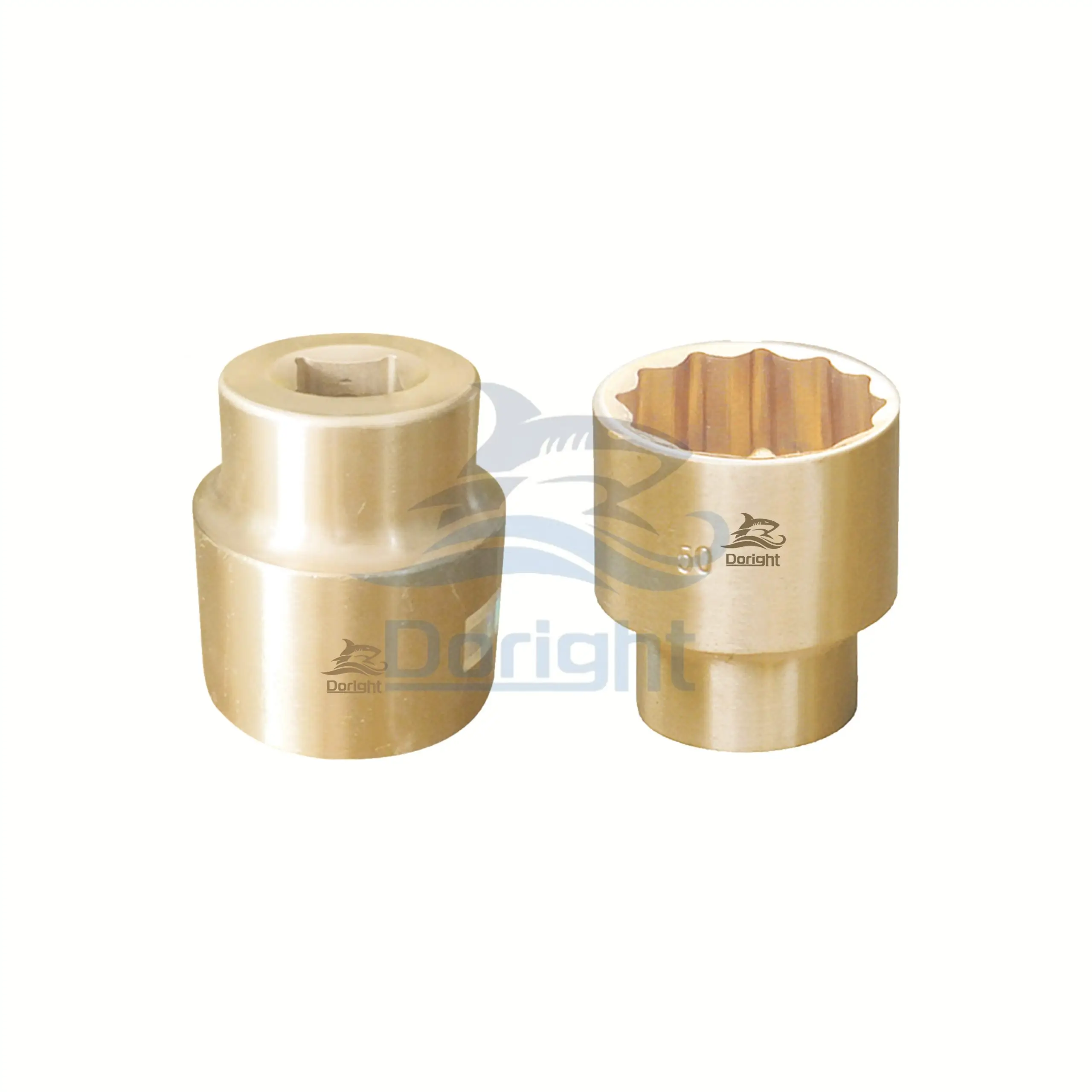
They provide alternatives that follow established guidelines for spark-resistant tools. For example, their D.107 3/4″Dr Impact Socket is produced using beryllium copper alloy or aluminum bronze. It follows DIN3120 standards and is die-forged to support demanding applications. Unlike cast iron, these alloys minimize the risk of spark formation and remain stable under impact. This model is useful in narrow spaces or deep concavities where technicians need reliable grip when tightening or loosening bolts. Users selecting a non-sparking socket head benefit from predictable behavior, consistent structure, and safer operation.
Conclusion
Understanding whether cast iron is non-sparking helps users choose appropriate tools for hazardous work areas. Cast iron does not meet the requirements for spark-resistant applications, so relying on dedicated equipment such as Doright safety tools, including non sparking sockets, is a more dependable approach. Their material selection and adherence to standards support professionals in hardware distribution and oil-and-gas supply, helping them work with greater confidence.