
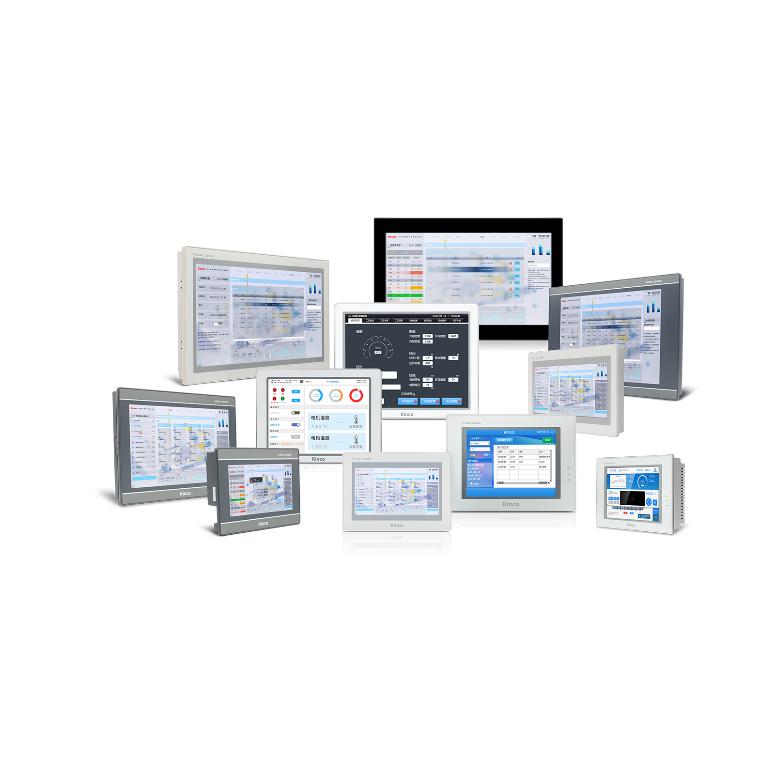
Modern manufacturing facilities rely heavily on intuitive human-machine interfaces to streamline interaction between human operators and complex automated machinery. As production floors integrate advanced programmable logic controllers, industrial computers, and robotics, efficient visual supervision becomes essential for maintaining high operational output. Human-Machine Interface architectures serve as central control windows, converting raw machine operational data into actionable visual representations.
Understanding the structural composition of control interfaces helps facility managers and system integrators select hardware suitable for dynamic factory environments. An industrial interface system integrates hardware processing units, touch input panels, physical enclosures, and specialized configuration software. Selecting industrial-grade components ensures consistent real-time data communication across continuous operating shifts.
Analyzing core hardware and software building blocks enables machine builders to design reliable control panels tailored for demanding factory conditions. Robust display panels, isolated electrical interfaces, and high-performance central processors prevent communication delays during intensive production runs. Consequently, facility operators achieve clearer workflow visibility, faster error detection, and improved overall equipment effectiveness.

Physical Display Panels and Touch Input Interface Hardware
The primary visual component of an industrial display console is the high-resolution screen module responsible for rendering real-time process data. Industrial interfaces utilize color display panels capable of displaying dynamic system graphics, alarm logs, trending charts, and operational menus.
- High-resolution color panels display detailed real-time schematics and historical trend graphs.
- Industrial touch panels provide tactile input response even when operators wear protective gloves.
- Wide viewing angles ensure clear screen visibility across varied operator viewing positions.
Integrating a high-precision resistive touch screen into control console layouts allows plant personnel to navigate complex control screens reliably in harsh operating zones. Four-wire resistive networks resist surface contamination, oil splashes, and dust buildup common in machining and chemical processing plants.
Furthermore, rugged surface coatings protect display surfaces against mechanical wear and scratches caused by repetitive daily input. High display color depth supports color-coded status indicators, enabling operators to recognize process alarms and system state changes instantly from distance.
High-Performance Processing Units and Storage Architectures
Behind the display panel, a dedicated embedded processing module executes real-time operating systems and processes communication tasks between the interface and peripheral controllers. Industrial computing units require powerful processor architectures to handle data logging, graphics rendering, and protocol translation simultaneously.
- Quad-core ARM processors deliver smooth screen transitions and fast data processing response.
- Onboard flash memory stores complex graphical projects, recipe data, and historical alarm records.
- Dynamic system RAM supports multi-tasking software execution without operational latency.
Deploying a versatile HMI system enables machinery builders to execute intensive supervisory routines without overloading main programmable logic controllers. Hardware suppliers like Kinco develop specialized industrial interfaces designed for dynamic factory environments. Kinco FUTURE Series 2 (F2) HMIs feature high-performance quad-core processors, substantial storage capacity, and 16.7 million true-color display support across diverse industrial applications.
Additionally, robust memory architectures ensure that critical recipe records and user authorization data remain intact through power cycles. Fast internal processing speeds enable rapid screen redraws during multi-axis motion tracking, keeping visual indicators synchronized with physical machine movements.
Communication Interfaces and Multi-Protocol Fieldbus Support
An interface console relies on diverse physical communication channels to exchange data with external automation controllers, frequency drives, and enterprise networks. Multi-port connectivity enables the system to serve as an information gateway between localized machinery and higher-level facility management software.
- Dual Ethernet ports facilitate network separation between machine-level drives and plant networks.
- Multi-channel serial ports support RS232, RS485, and RS422 communication protocols simultaneously.
- USB host interfaces enable fast parameter backups, recipe transfers, and diagnostic logging.
Flexible communication channels allow system integrators to connect heterogeneous field devices to a single centralized display console. Dual Ethernet port configurations allow one port to communicate with localized motion controllers while the second port streams diagnostic data to cloud monitoring systems.
Intuitive configuration software, such as Kinco DToolsPro, simplifies communication driver setup and graphical layout design during machine commissioning. Fast protocol processing reduces network polling delays, ensuring that operator control commands reach field actuators without noticeable latency.
Environmental Protection, Power Isolation, and Mechanical Reliability
Control terminals deployed directly on factory floors face severe environmental stress, including ambient electrical noise, moisture condensation, and mechanical vibration. Industrial-grade structural protection mechanisms prevent internal electronic degradation during long continuous operating cycles.
- Conformal-coated PCBs protect sensitive circuit elements against moisture, mildew, and corrosion.
- Built-in power supply isolation guards internal logic circuits against electrical line surges.
- Metallic or rugged synthetic enclosures offer IP-rated front panel ingress protection.
Incorporating isolated power supply circuits safeguards sensitive logic components against voltage transients caused by high-power motor start-up cycles. Conformal coating applied across printed circuit boards prevents conductive dust and ambient humidity from causing internal electrical shorts.
Furthermore, IP-rated front panel seals prevent liquid ingress when equipment undergoes routine washdown procedures in food processing or pharmaceutical facilities. Robust mechanical housings absorb operational vibration, preserving internal solder joints and connector integrity over years of continuous service.
Establishing Resilient Supervisory Infrastructure in Smart Manufacturing
Selecting well-engineered display components provides industrial machine builders with a durable foundation for developing interactive automation platforms. As manufacturing environments adopt higher levels of digital connectivity, versatile control interfaces remain essential for effective human supervision.
Evaluating processor performance, touch technologies, communication port availability, and environmental sealing ratings ensures optimal hardware selection for target applications. Aligning display system capabilities directly with operational demands supports stable long-term performance and lowers lifecycle maintenance expenses.
Partnering with experienced industrial automation specialists like Kinco grants engineering teams access to advanced HMI hardware, user-friendly configuration tools, and technical support. These integrated visualization technologies empower enterprise clients to construct clear, responsive human-machine interface networks tailored for competitive smart factory landscapes.