
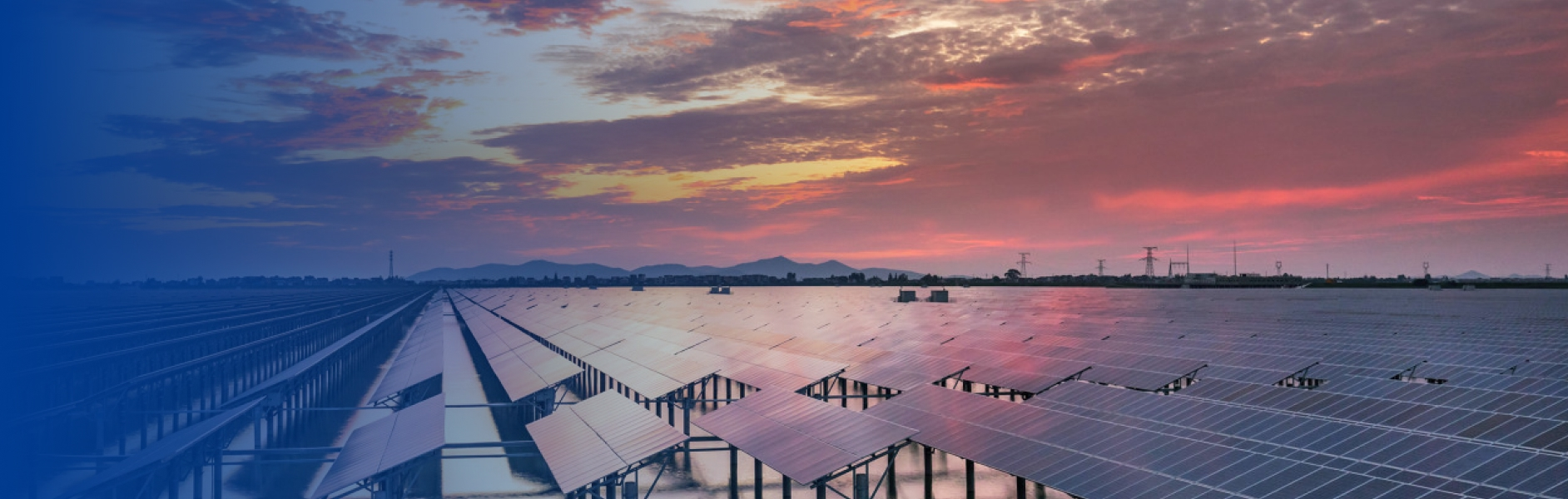
Solar photovoltaic (PV) manufacturing has expanded rapidly as governments, utilities, and businesses invest in cleaner electricity. However, production capacity has grown faster than demand in several parts of the solar supply chain, creating intense price competition and financial pressure. The International Energy Agency (IEA) reported that global PV module manufacturing capacity reached an estimated 1,100–1,350 GW in 2024, more than twice the annual deployment.
This imbalance is changing how renewable energy equipment manufacturers plan investments, manage costs, and compete for projects. For suppliers of transformers, switchgear, and power distribution systems, it also highlights the importance of reliable equipment, efficient manufacturing, and grid integration as solar installations continue to expand.

Price Competition Is Reshaping Manufacturing Strategies
Excess production capacity puts pressure on selling prices across the PV value chain. When module and cell supplies exceed immediate demand, manufacturers may reduce prices to maintain sales volumes and factory utilization. While lower prices can make solar projects more affordable, they also squeeze margins and weaken the financial position of suppliers.
The IEA’s Renewables 2025 report identifies oversupply and price competition as major challenges for solar manufacturers, particularly in China.
For business buyers, this environment creates opportunities to compare suppliers and negotiate equipment prices. However, the lowest initial quotation does not necessarily represent the best long-term value. Manufacturing consistency, technical documentation, delivery reliability, and after-sales support remain important when equipment must operate for years in demanding power applications.
Product Differentiation Matters More Than Capacity Alone
As competition intensifies, manufacturers need to distinguish their products through performance, quality, and application-specific engineering. In the solar sector, this may involve improving conversion efficiency, reducing material waste, optimizing production processes, or developing equipment that better suits different installation environments.
The same principle applies to the electrical infrastructure supporting PV projects. Developers need transformers and distribution equipment that match inverter output, grid voltage, environmental conditions, and project capacity. Suppliers that understand these requirements can provide more useful engineering support than those competing primarily on price.
For renewable energy equipment manufacturers, product differentiation does not always mean introducing entirely new technology. Standardized product platforms, flexible configurations, dependable quality control, and clear technical documentation can also strengthen competitiveness. These capabilities help buyers evaluate equipment on measurable criteria rather than relying solely on purchase price.
Grid Integration Creates Opportunities Beyond Solar Modules
Overcapacity in PV manufacturing does not eliminate the need for new renewable electricity infrastructure. The IEA projects that global renewable power capacity will increase by nearly 4,600 GW between 2025 and 2030, with solar PV accounting for a substantial share of expansion.
As solar installations grow, electricity must be converted to suitable voltage levels and delivered safely to distribution or transmission networks. Transformers, switchgear, protection systems, and monitoring equipment help perform these functions. Grid capacity, connection requirements, and site conditions therefore remain important considerations when developers plan new PV projects.
Equipment suppliers can benefit by coordinating their offerings with the needs of solar developers, engineering contractors, and utilities. Instead of focusing exclusively on equipment volume, they can provide technically compatible solutions that simplify system integration and reduce installation complexity.
Energy-Efficient Transformers Support Project Economics
Transformer selection affects electrical losses, operating conditions, maintenance requirements, and the overall reliability of a solar power installation. Buyers must consider rated capacity, voltage ratio, insulation, cooling arrangements, installation environment, and applicable standards. Evaluating these factors helps project teams balance initial investment against long-term operating performance.
Daqo Group supplies electrical equipment for wind and photovoltaic power applications, including its SCB Series 35kV Energy-Efficient Dry-Type Transformer. The series has a capacity range of 30–25,000 kVA and a rated voltage configuration of 35/10 kV. It uses epoxy resin casting and is designed for indoor installation.
The manufacturer also lists features including moisture resistance, reduced no-load losses, and lower operating noise compared with manual core-stacking processes. These characteristics may be relevant to projects where equipment reliability, energy efficiency, and maintenance planning influence lifecycle costs. Buyers should verify the specific model’s ratings and performance data against the intended application rather than assuming every configuration offers identical characteristics.
Supply Chain Resilience and Investment Discipline Become Priorities
Excess capacity also changes how manufacturers manage procurement, inventory, and production planning. Holding too much stock can tie up working capital, while depending on a single supplier may expose projects to delays or sudden price changes. Businesses must balance cost savings with the need for reliable access to critical components.
For renewable energy equipment manufacturers, investment decisions increasingly require careful assessment of regional demand, regulatory changes, trade policies, and customer purchasing cycles. Flexible production planning and supplier diversification can help reduce exposure to market volatility. Buyers can support these efforts by sharing project forecasts early, defining technical requirements clearly, and establishing realistic delivery schedules.
Quality assurance remains equally important during periods of cost pressure. Cutting inspection procedures or using unsuitable components may create failures that outweigh short-term savings. Documented testing, traceability, and compliance with relevant standards help manufacturers maintain customer confidence while improving operational consistency.
Competing Through Reliability and Long-Term Value
PV manufacturing overcapacity is reshaping competition by placing greater emphasis on financial discipline, product differentiation, and dependable supply chains. Although lower module prices create challenges for manufacturers, continued renewable capacity expansion sustains demand for the electrical infrastructure required to connect projects to the grid.
For renewable energy equipment manufacturers, the path forward involves more than increasing production volumes. Efficient operations, application-specific engineering, and reliable equipment can provide stronger foundations for sustainable business growth.
Daqo Group‘s transformer and power distribution solutions illustrate the role of electrical equipment in supporting photovoltaic installations. For developers, EPC contractors, and utilities, selecting suppliers based on technical suitability, documented performance, and lifecycle value can help control project risks while supporting reliable renewable power delivery.