
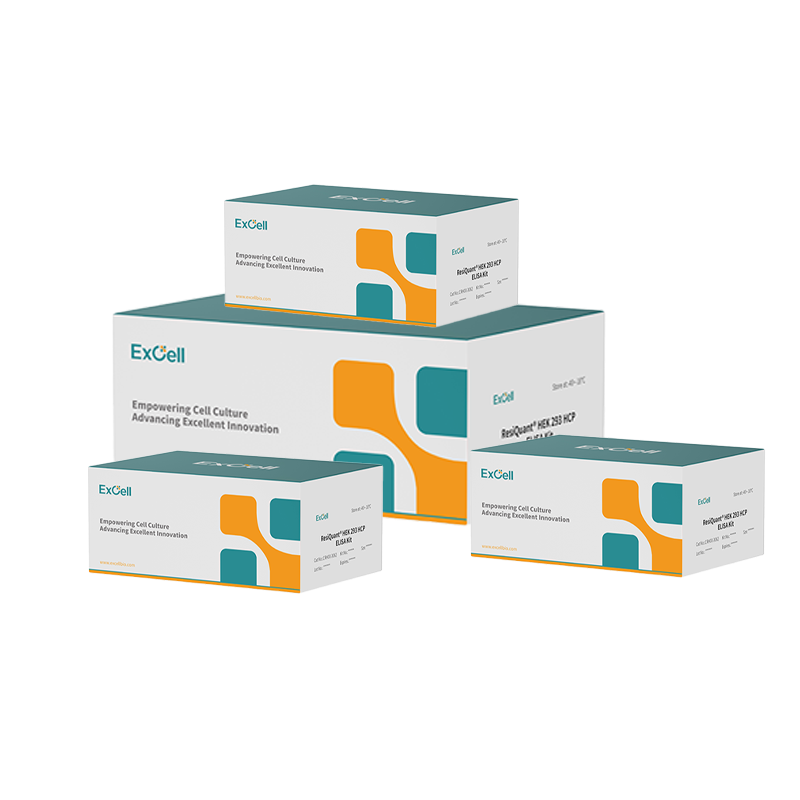
In the field of biopharmaceuticals, the monitoring of host cell proteins (HCPs) is crucial to ensure the safety and efficacy of biologics. ExCell Bio specializes in developing innovative HCP assay kits that quantify these proteins, enabling companies to maintain rigorous quality control standards. Understanding how sample processing affects HCP assay kits performance is essential for achieving accurate, reliable results in the assessment of residual HCP levels.
Understanding Host Cell Proteins and Their Importance
Host cell proteins are remnants from the production organisms used in biopharmaceutical manufacturing. These proteins can vary significantly based on the host cell type and strain, making their quantification a critical quality attribute (CQA) in drug development. Uncontrolled levels of HCPs can compromise drug safety, efficacy, and patient outcomes, necessitating thorough testing during the batch release process.
The performance of HCP assay kits, such as those offered by ExCell Bio, is heavily influenced by the sample processing methods employed prior to analysis. Factors such as sample collection, storage conditions, and preparation techniques can significantly impact the assay’s sensitivity and specificity. Consistency in sample handling is key to minimizing variability and ensuring accurate quantification of HCPs.

The Role of Sample Processing in HCP Assay Performance
Sample processing involves several steps, including dilution, filtration, and sometimes concentration, depending on the assay requirements. Each of these steps introduces variables that can affect the HCP assay kit’s performance. For instance, improper dilution can lead to an inaccurate representation of HCP levels, while inadequate filtration may not effectively remove interfering substances, leading to false positives or negatives.
Moreover, the choice of reagents and buffers used during sample preparation can also influence assay outcomes. It is critical to select compatible materials that do not interact with the assay chemistry. ExCell Bio’s HCP assay kits are formulated to minimize such interactions and enhance the reliability of results across a wide range of conditions. Ensuring that samples are processed in a controlled environment—free from contamination and using validated protocols—can significantly enhance assay performance.
Implementing robust quality control measures during sample processing not only aids in achieving compliance with regulatory standards but also optimizes the performance of HCP assay kits. Regular calibration of equipment and adherence to standardized procedures can help mitigate variations that arise from sample handling.
Ensuring Validated Results for Biologics Quality
In summary, the impact of sample processing on HCP assay kit performance is a critical factor in the overall success of biologics manufacturing. By focusing on standardized sample handling procedures and employing reliable assay kits like those from ExCell Bio, companies can ensure the accurate quantification of HCPs. This not only supports compliance with industry regulations but also enhances product quality, ultimately safeguarding patient safety and efficacy. Understanding the nuances of sample processing lays the groundwork for improved assay results, facilitating better therapeutic development and delivery in the biopharmaceutical sector.